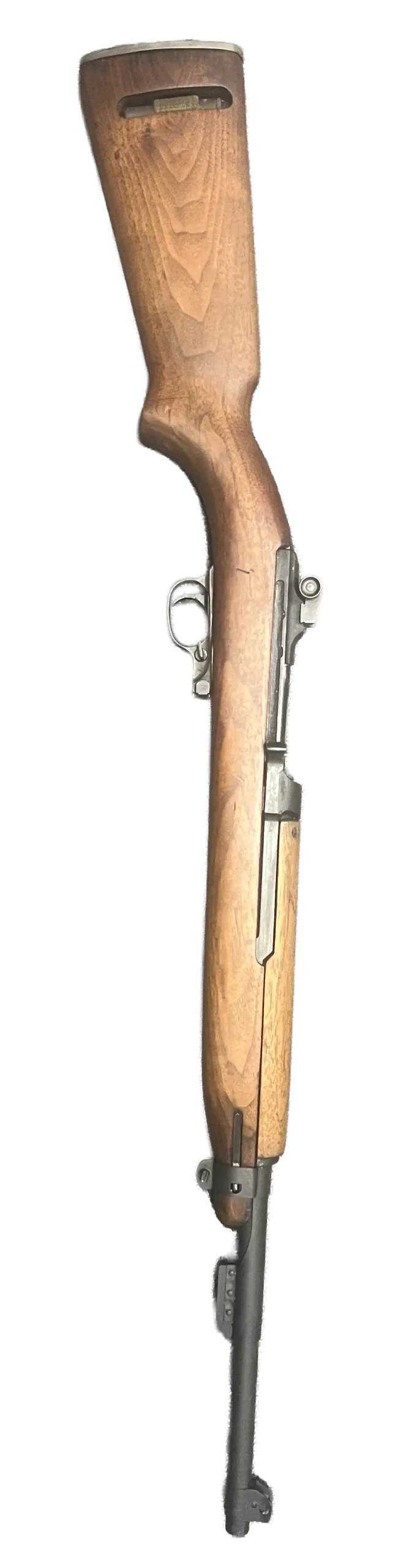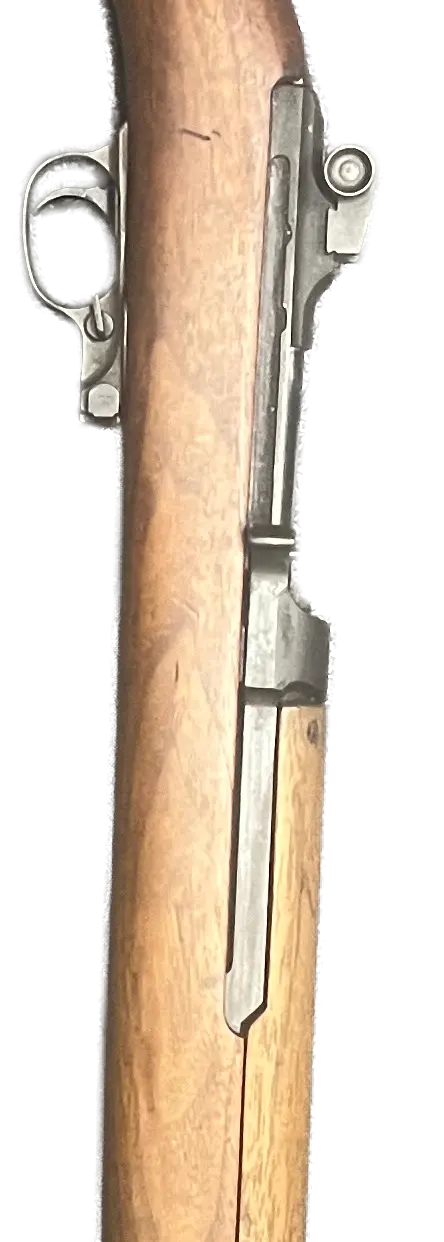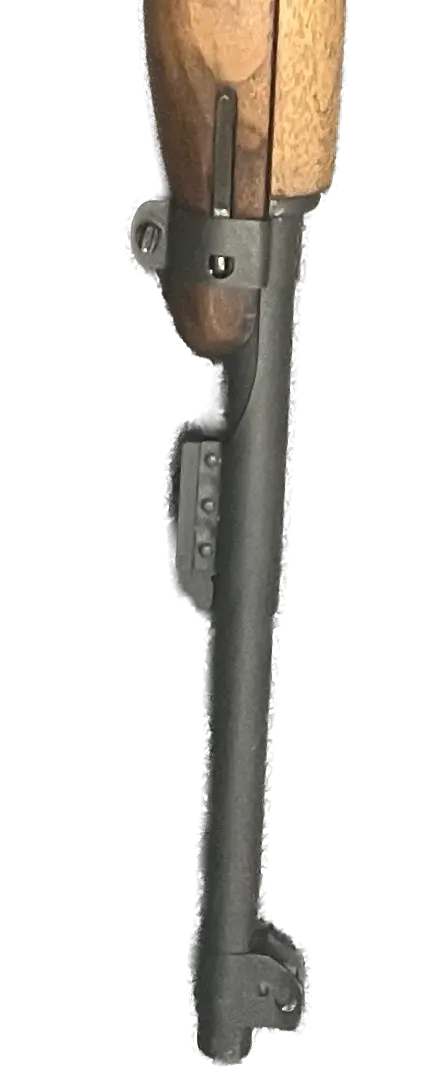




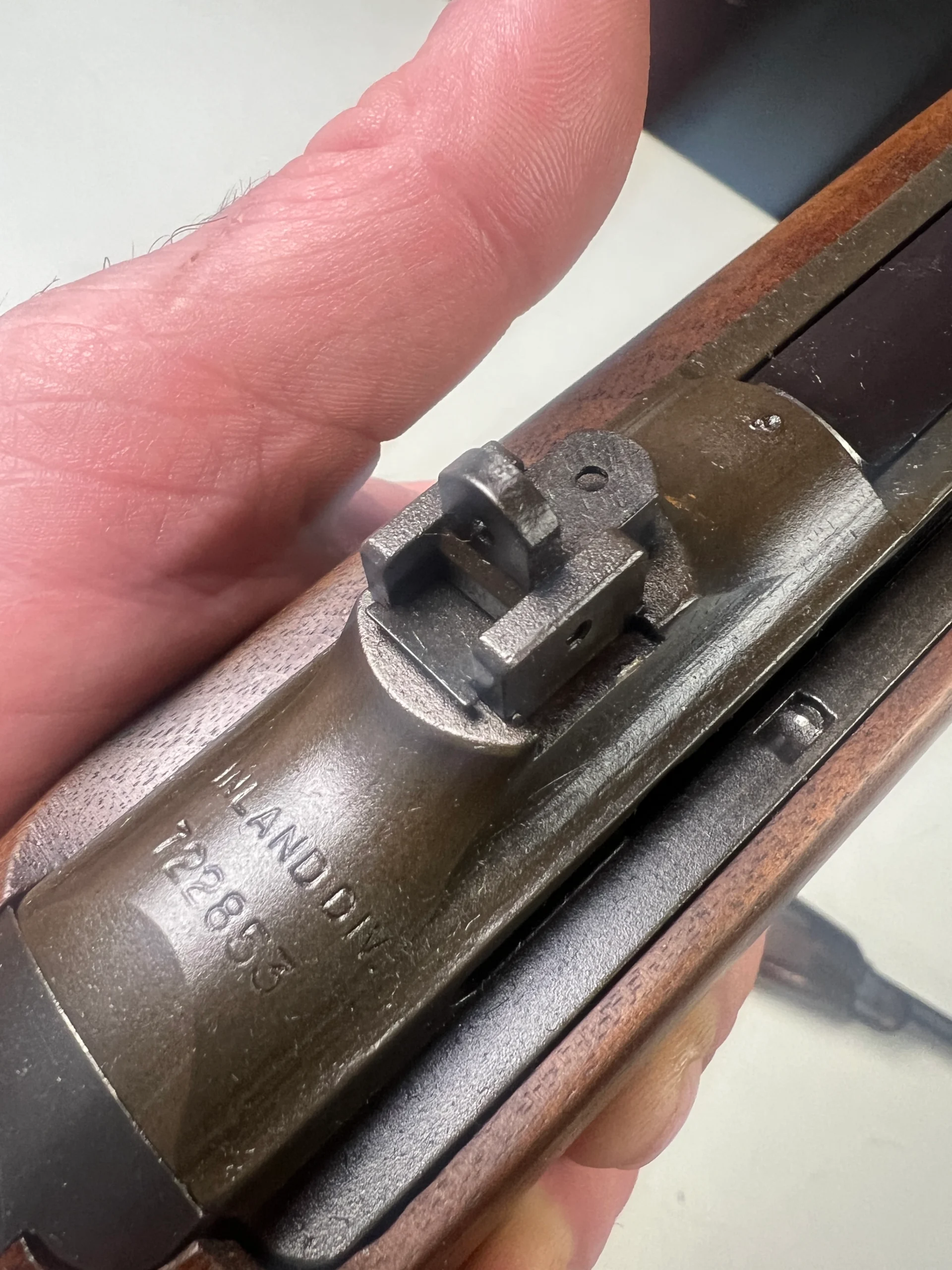
Early Type 1 M1 Carbine are characterized by its lightweight, simplified features that reflect initial wartime production priorities in 1941–1942. These carbines have a flip-style rear sight staked to the receiver, a narrow Type I barrel band without a bayonet lug, and a flat bolt paired with an early operating slide. Stocks are high-wood cut with an I-cut oiler slot, fitted with a push-button safety and a single-vent, two-rivet barrel handguard. Collectively, these features represent the original configuration of the M1 Carbine before later wartime upgrades added strength, weight, and additional combat functionality.
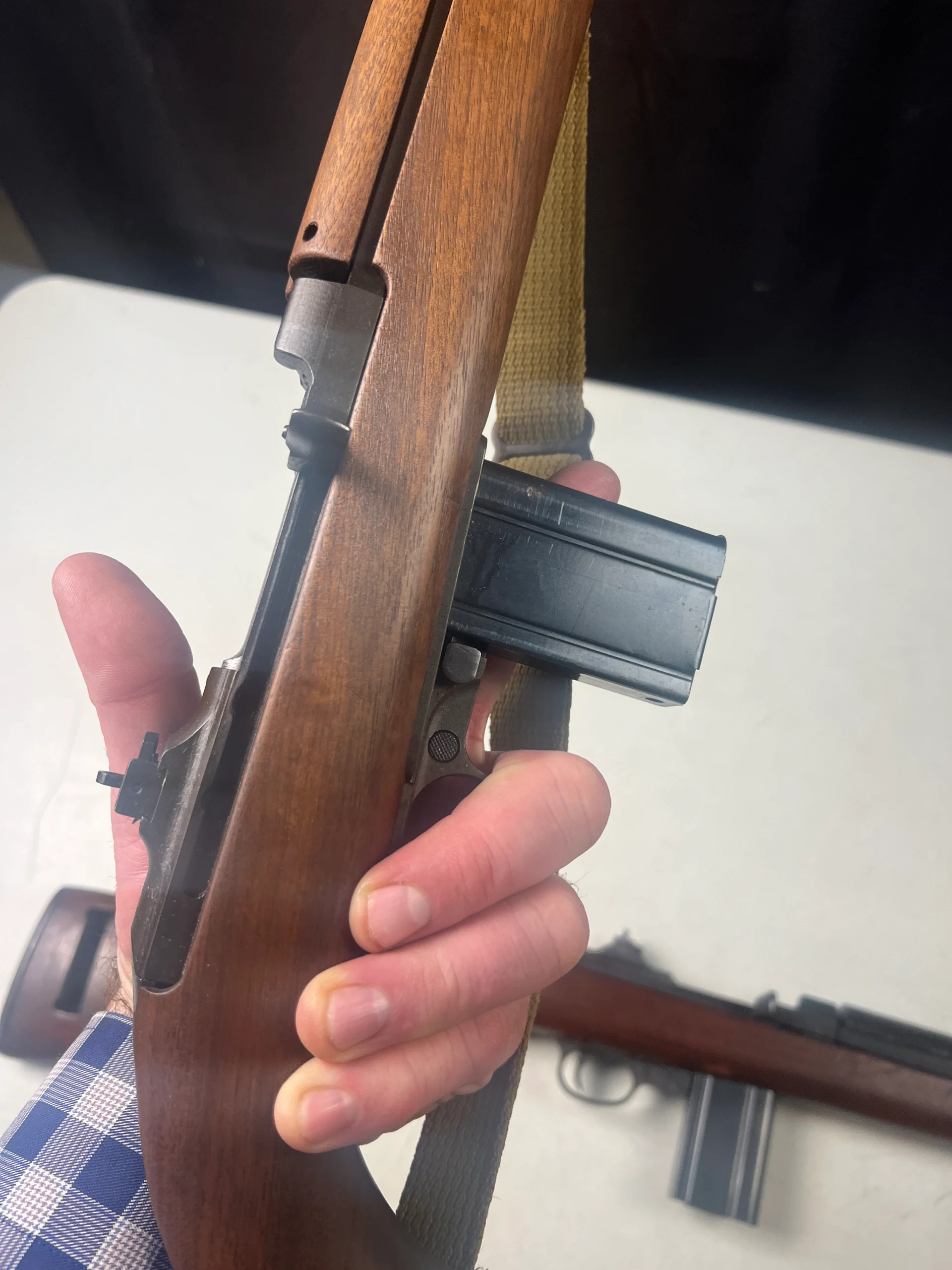
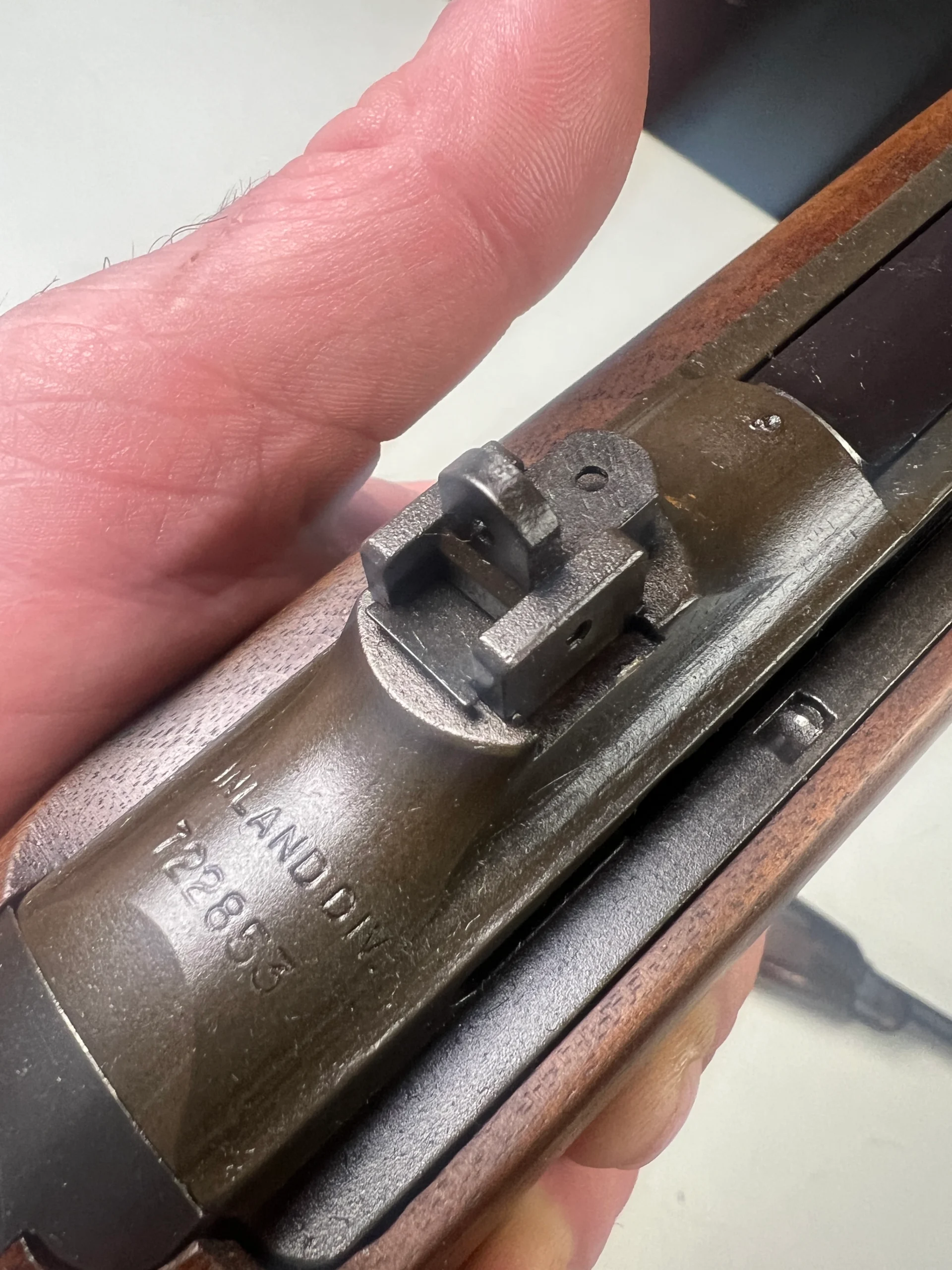
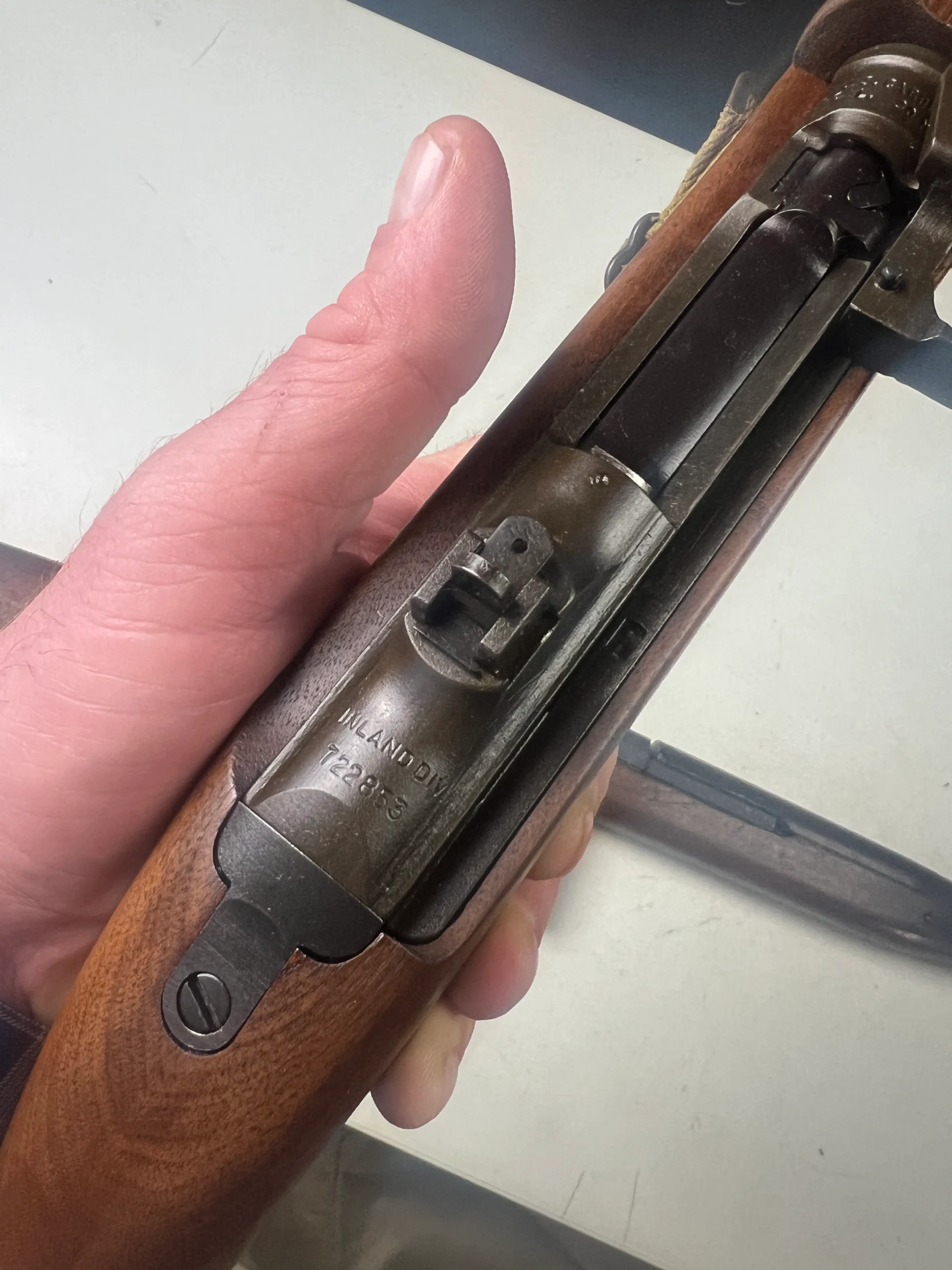
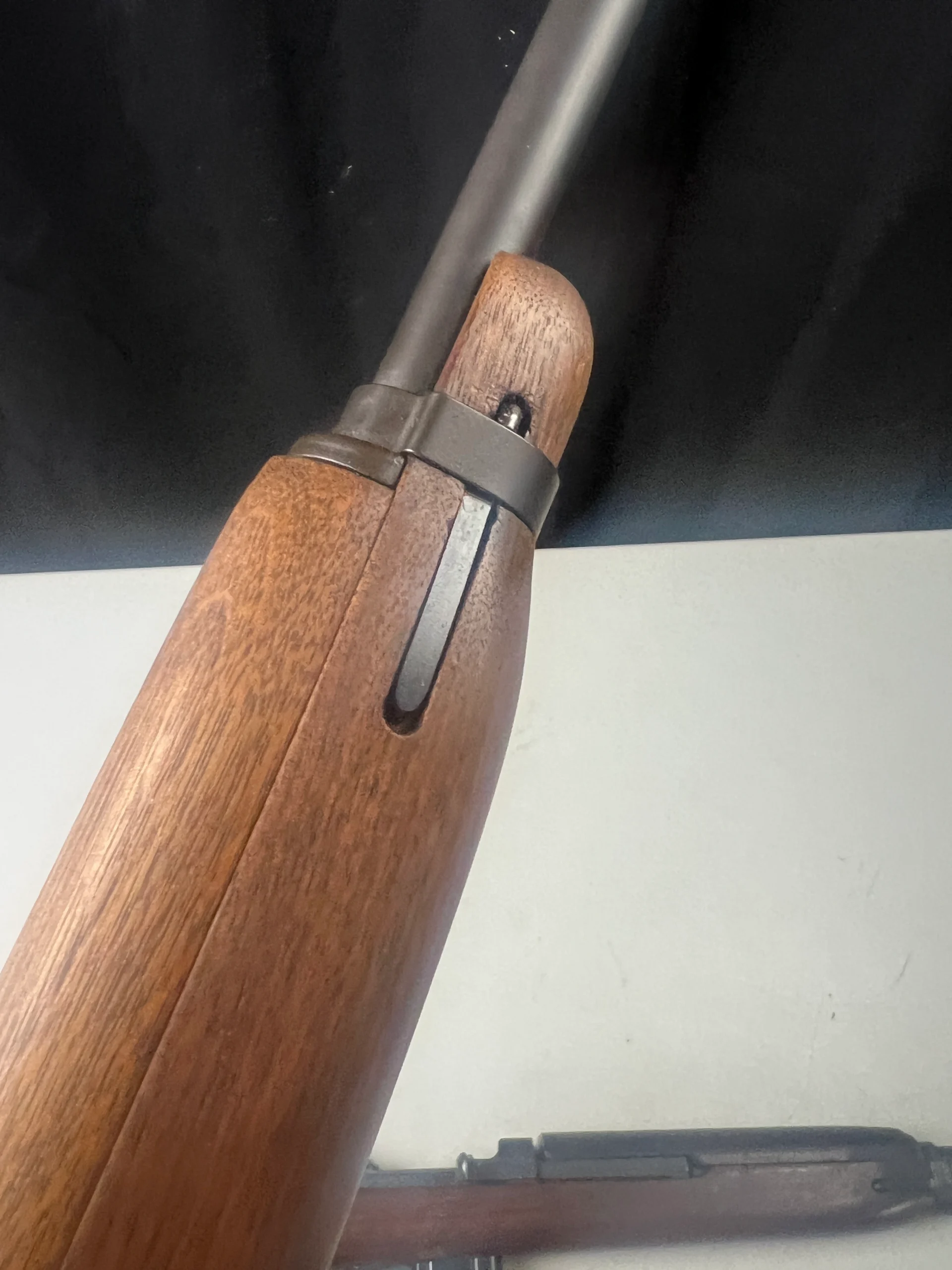
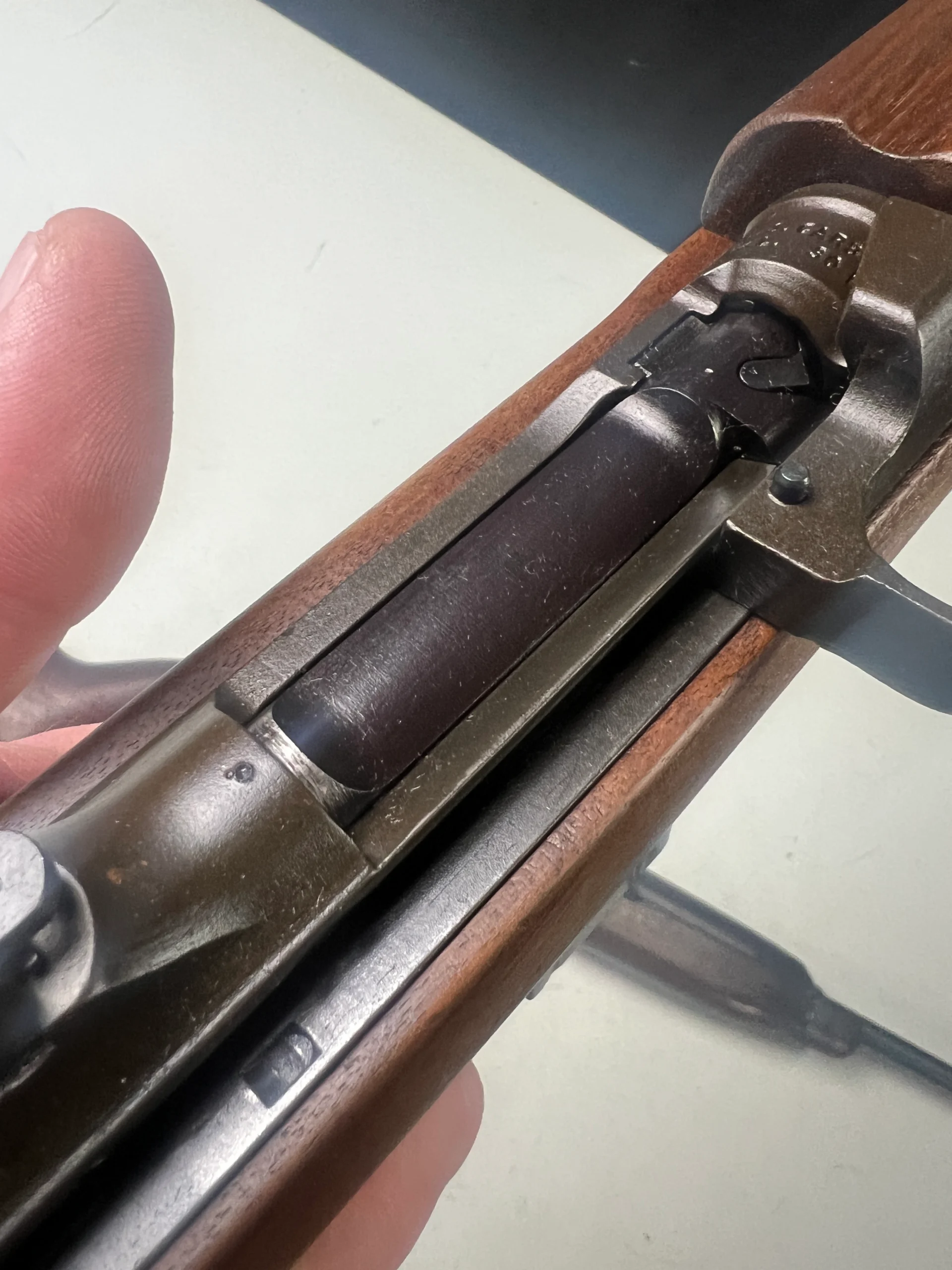
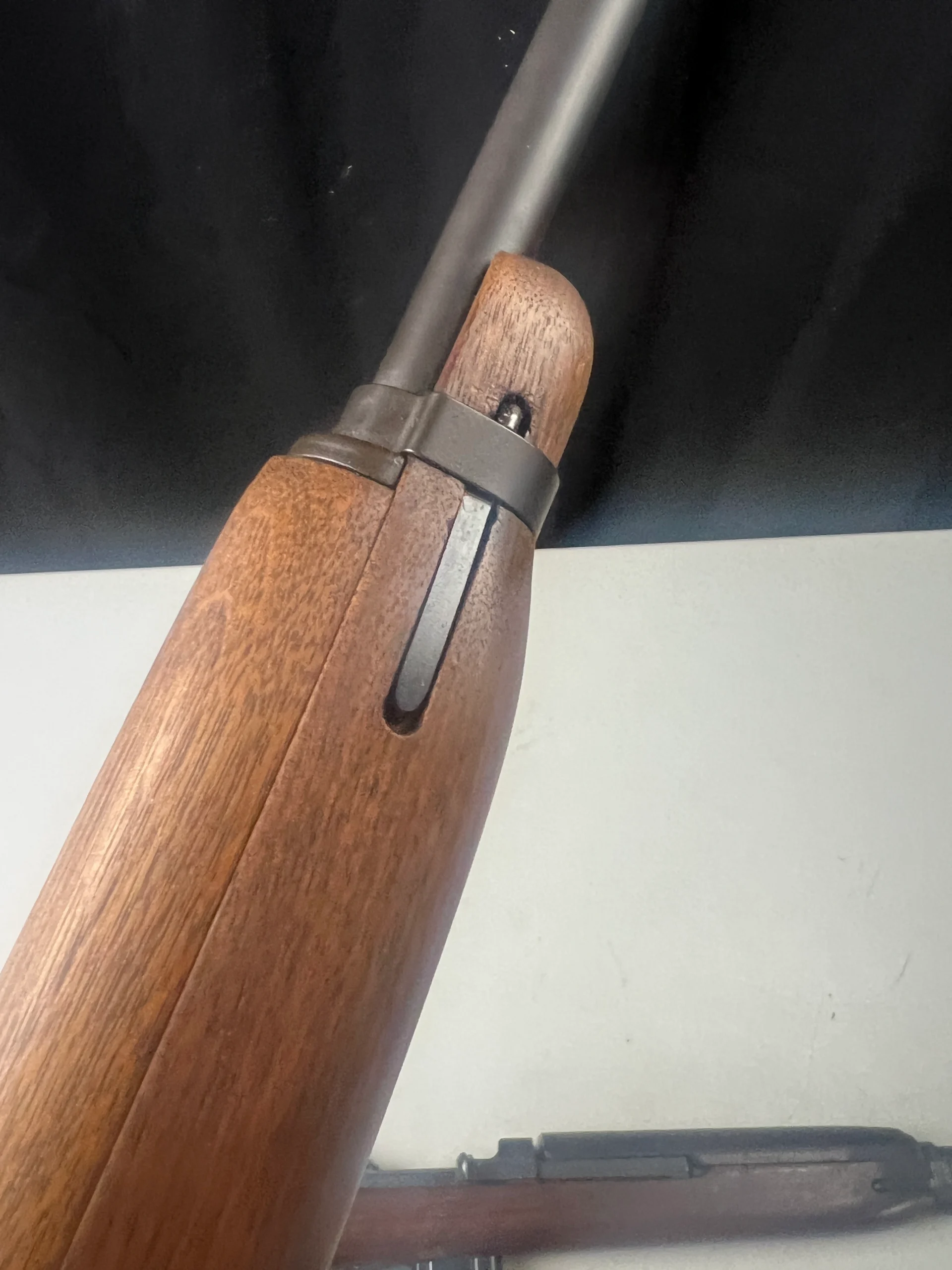
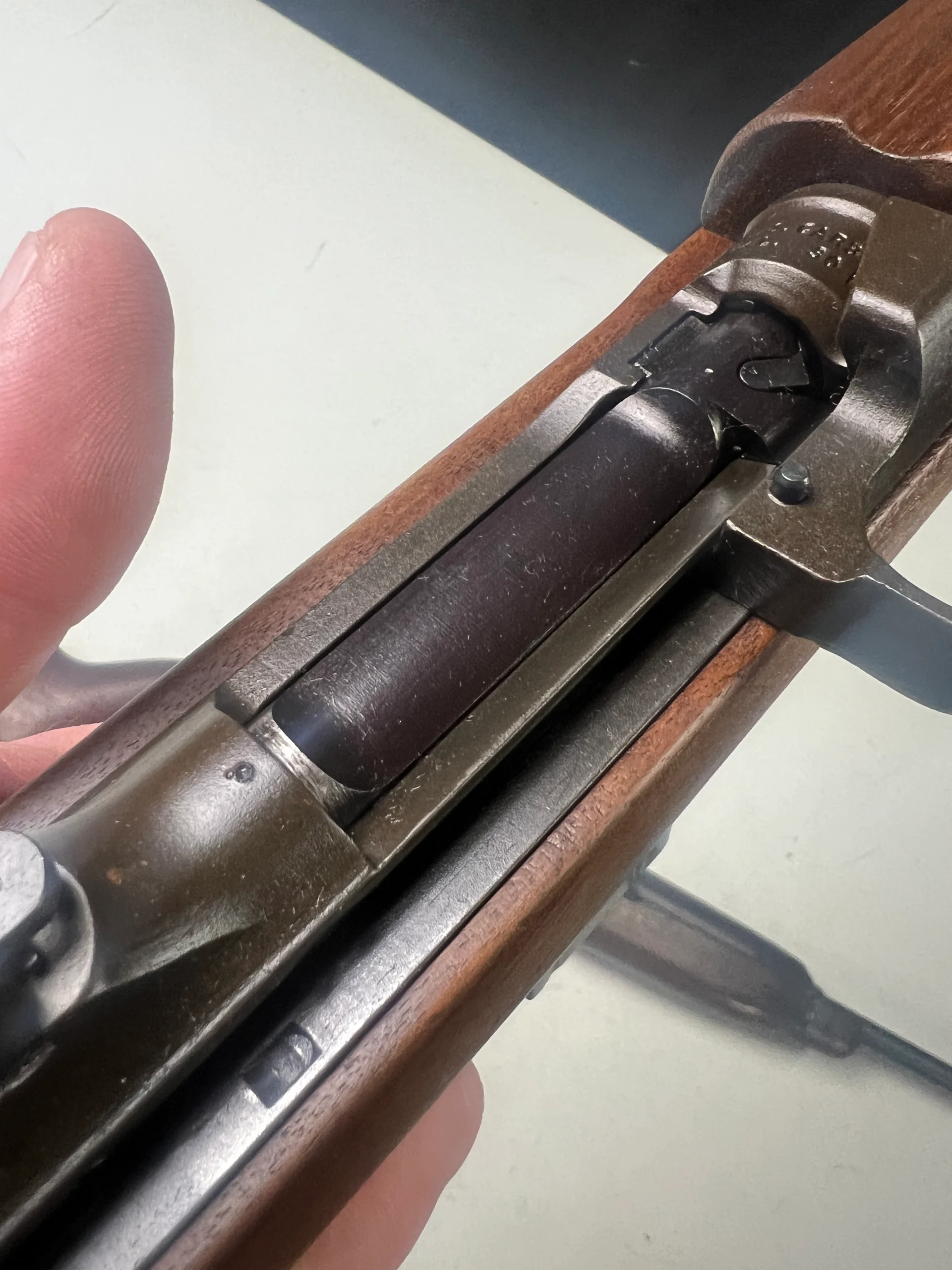
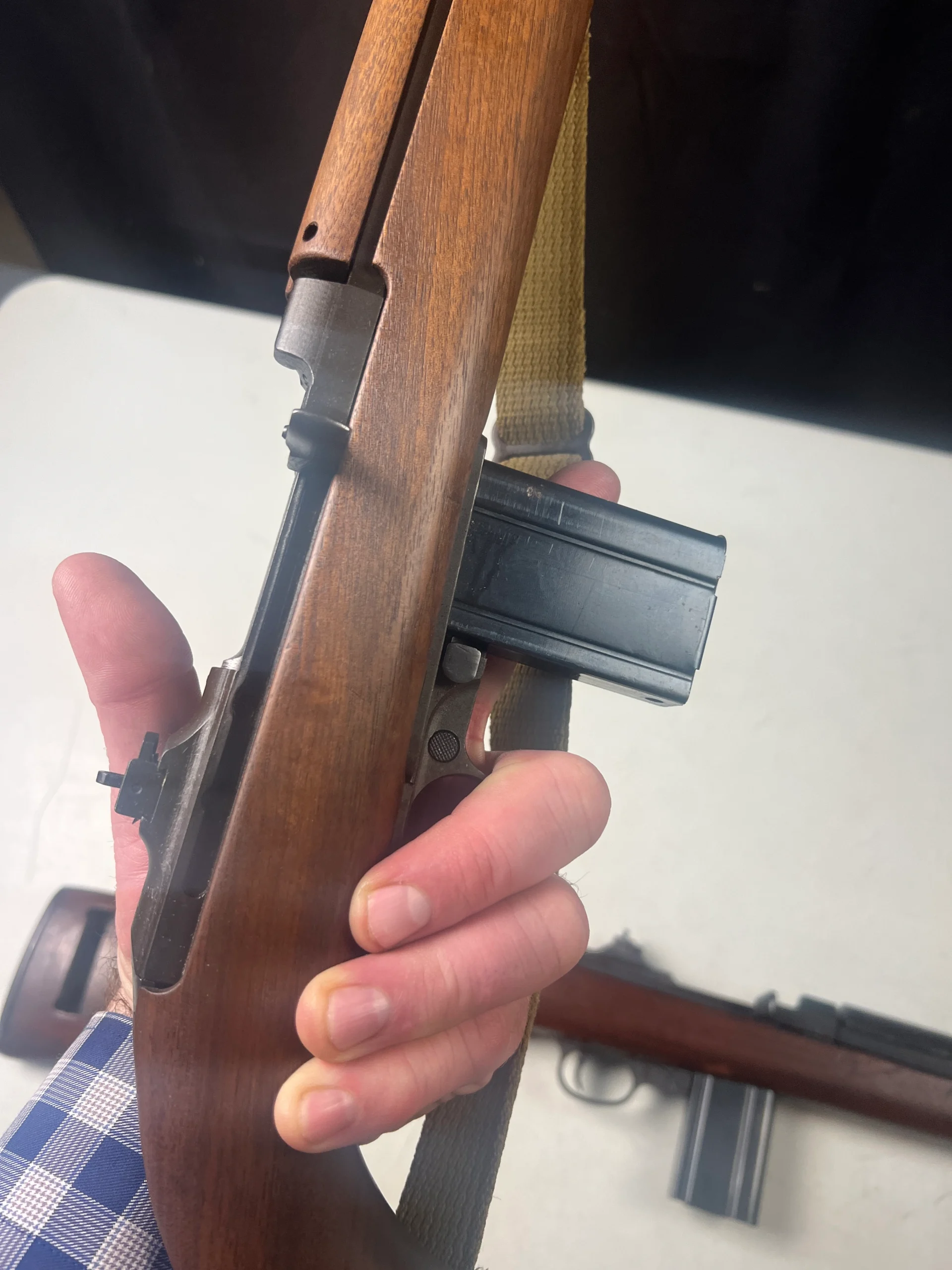
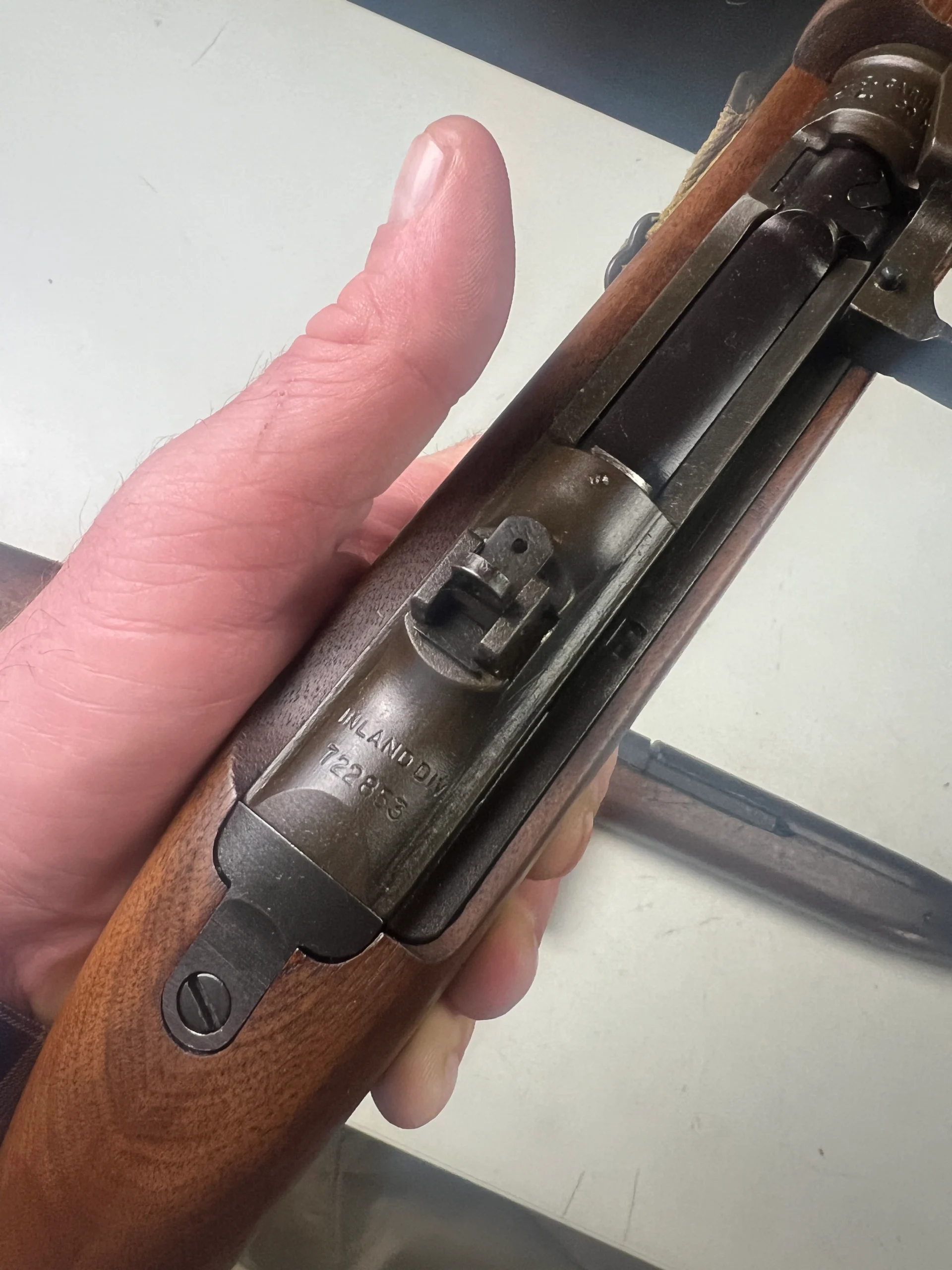
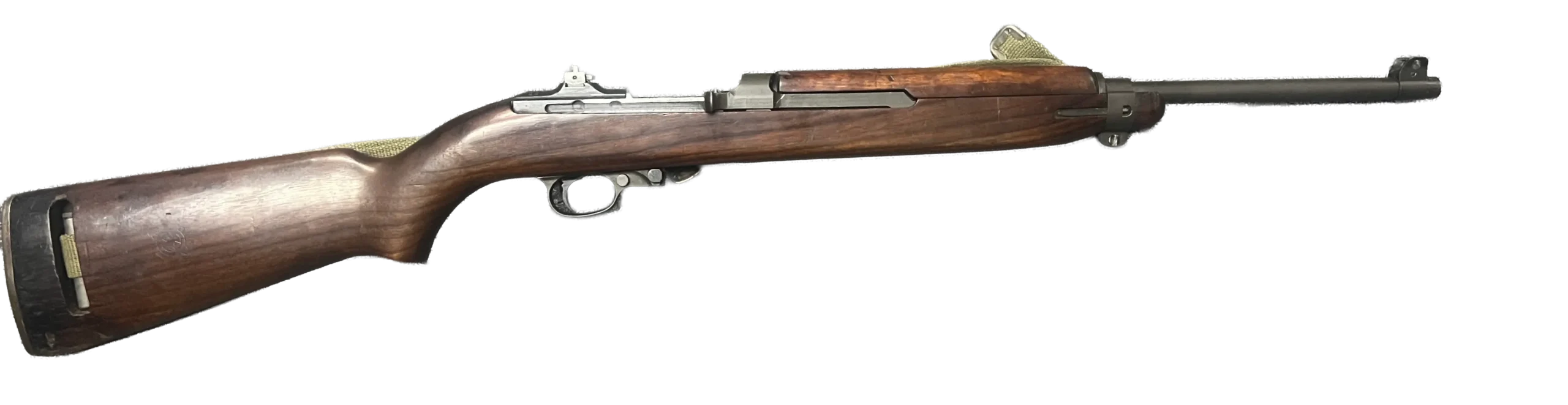
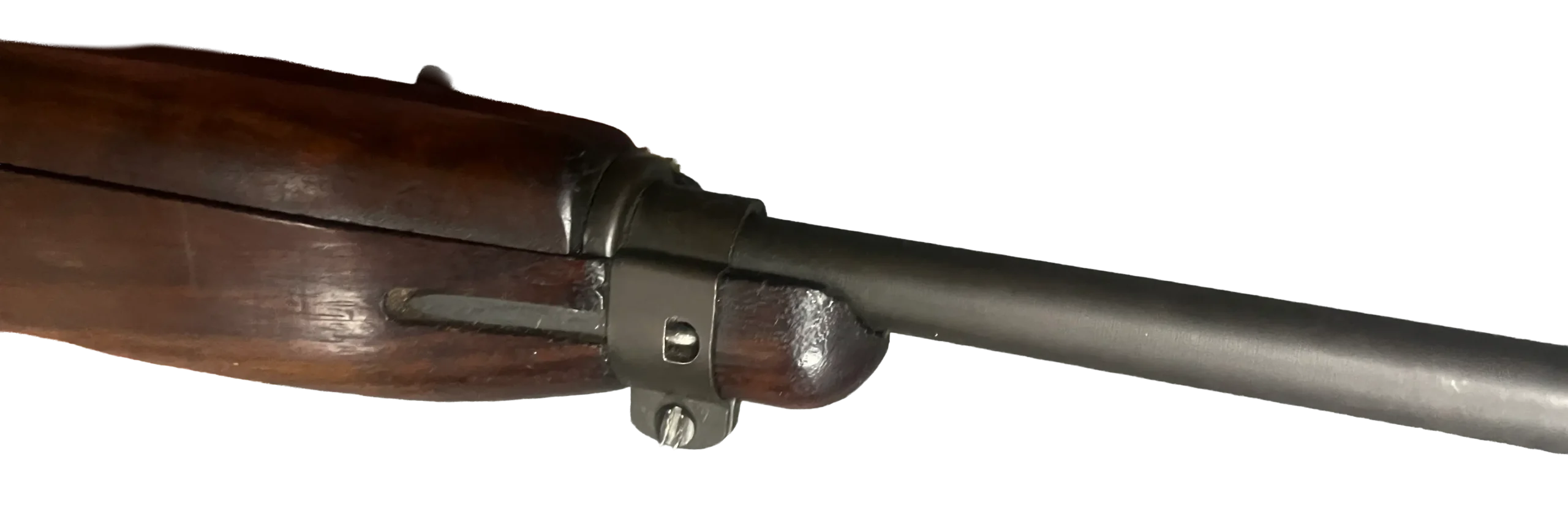
Early Type 2 M1 Carbine reflects the transitional configuration adopted in 1943 as combat experience drove incremental improvements while retaining much of the carbine’s original lightweight character. Incorporate a wider Type II barrel band that still lacks a bayonet lug, providing better barrel retention than earlier bands. Internally, many retain a flat bolt, though strengthened operating slides are more common, and the push-button safety remains standard. Stocks are usually Low-wood cut with oval oiler slot, paired with a two-vent, four-rivet barrel handguard that offers increased hand protection and durability. Overall, early Type II carbines represent a balance between early-war simplicity and the more robust features that would define late-war production

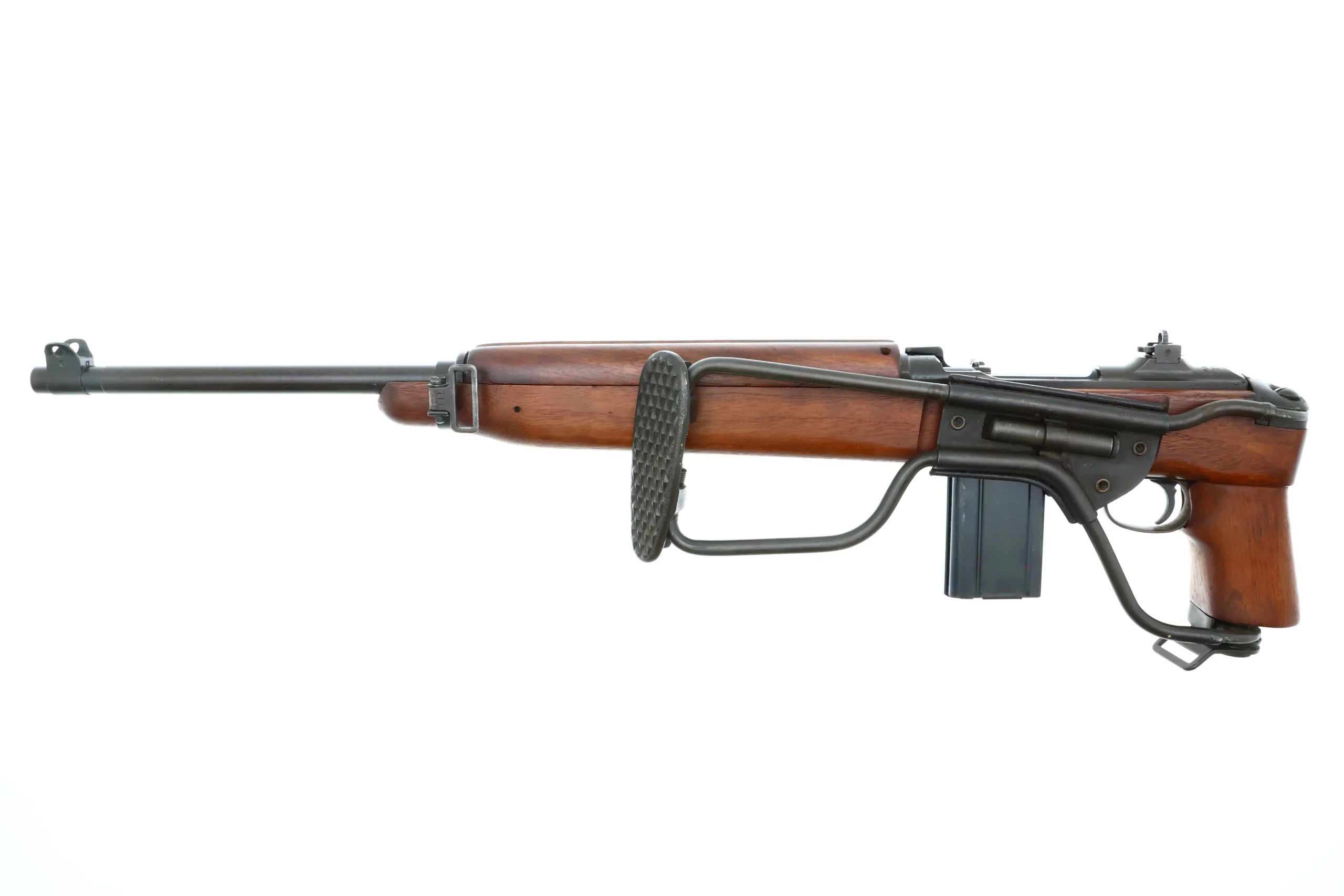
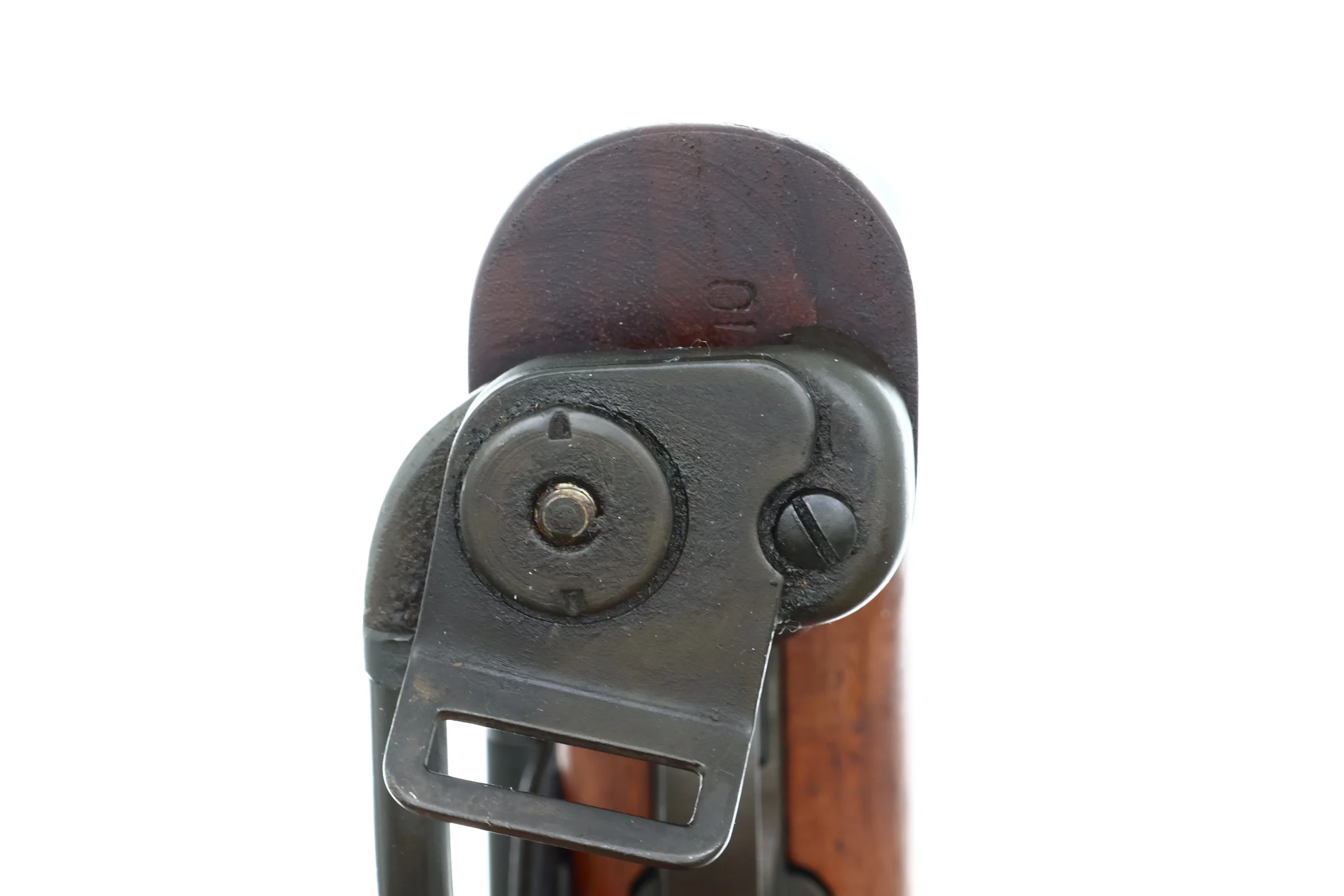
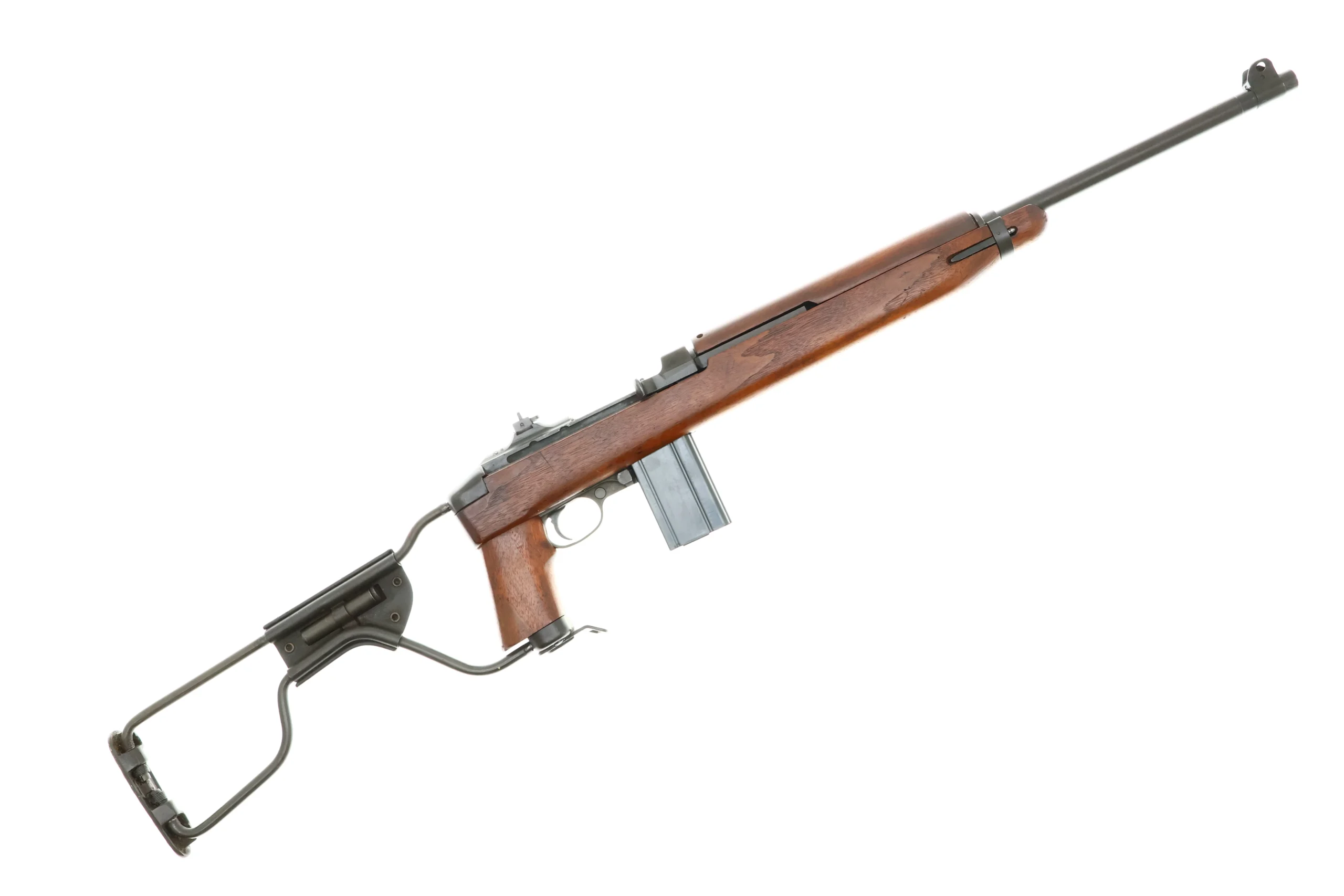
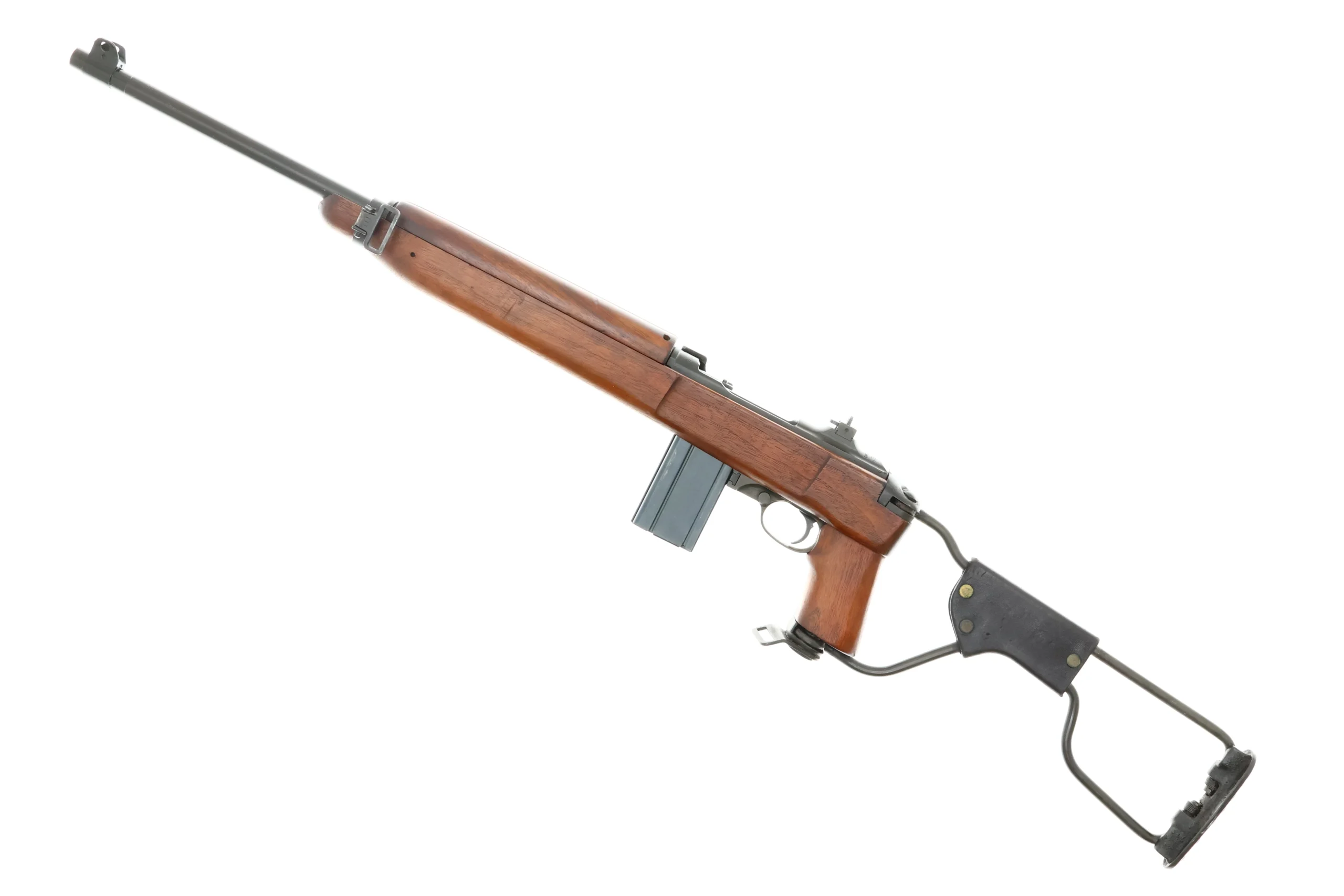
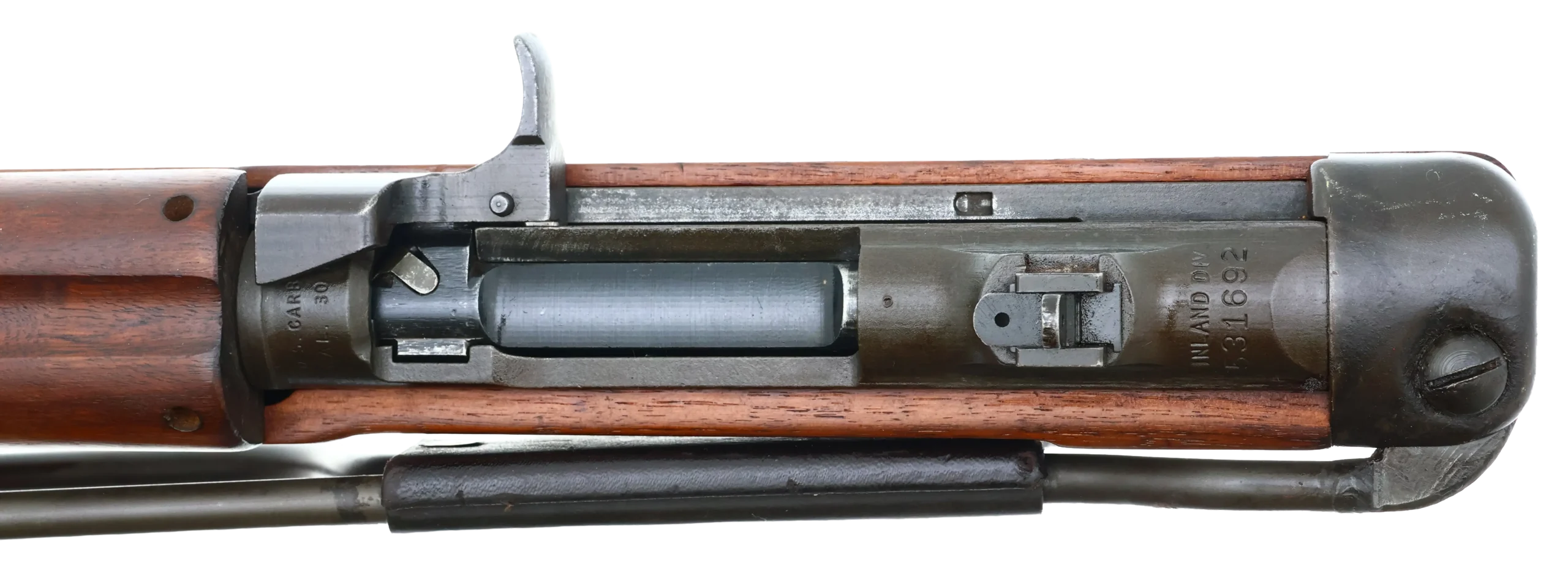
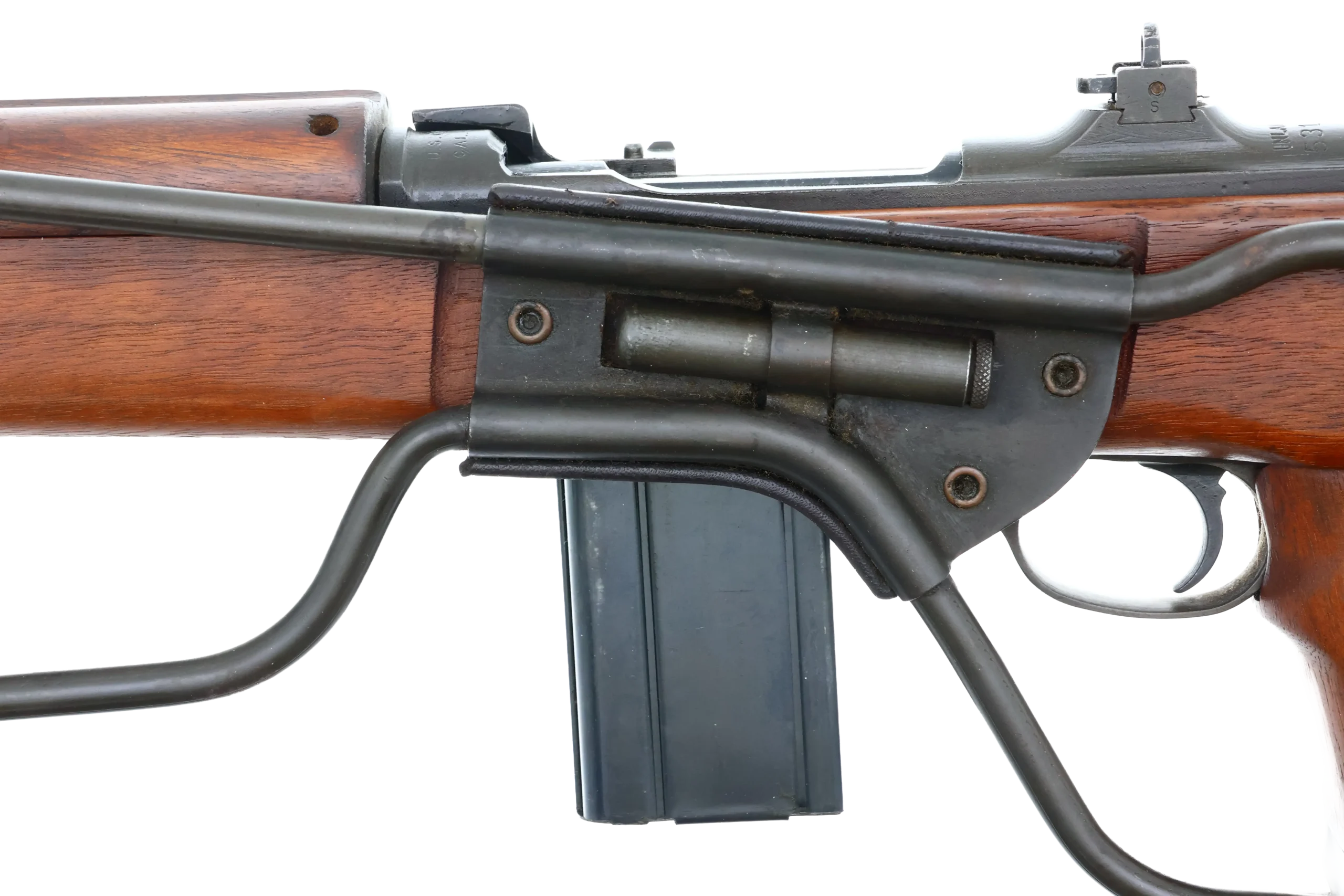
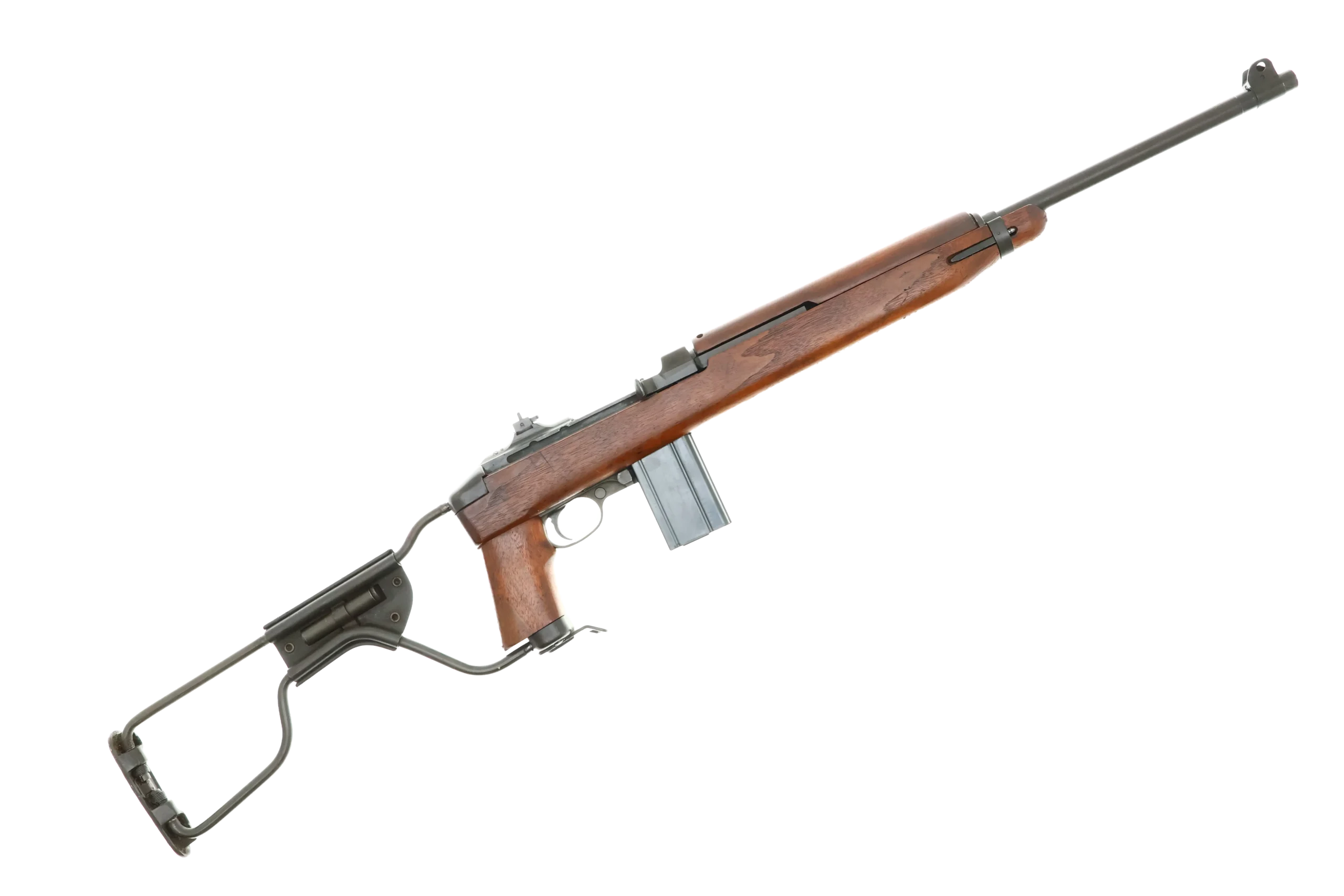
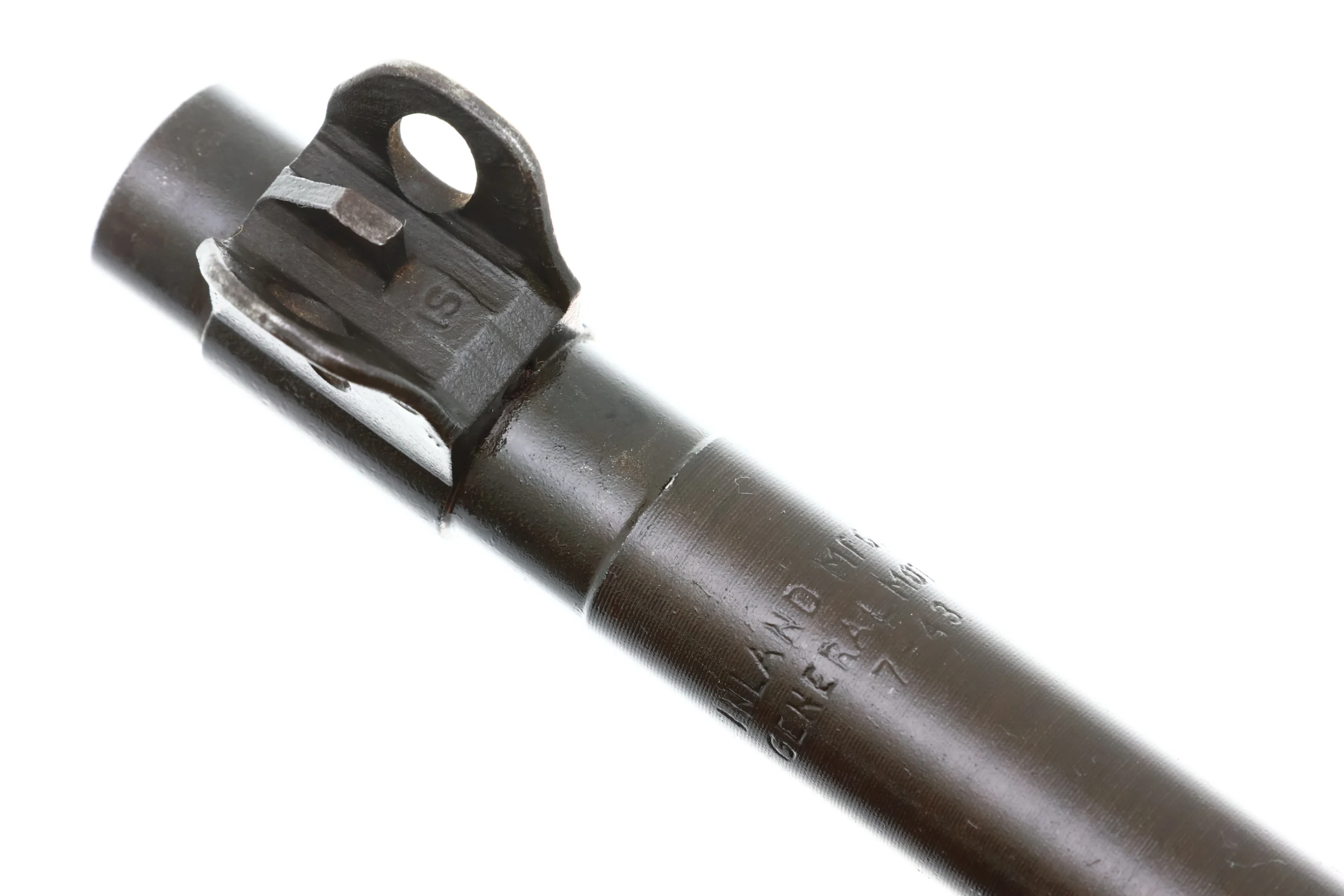
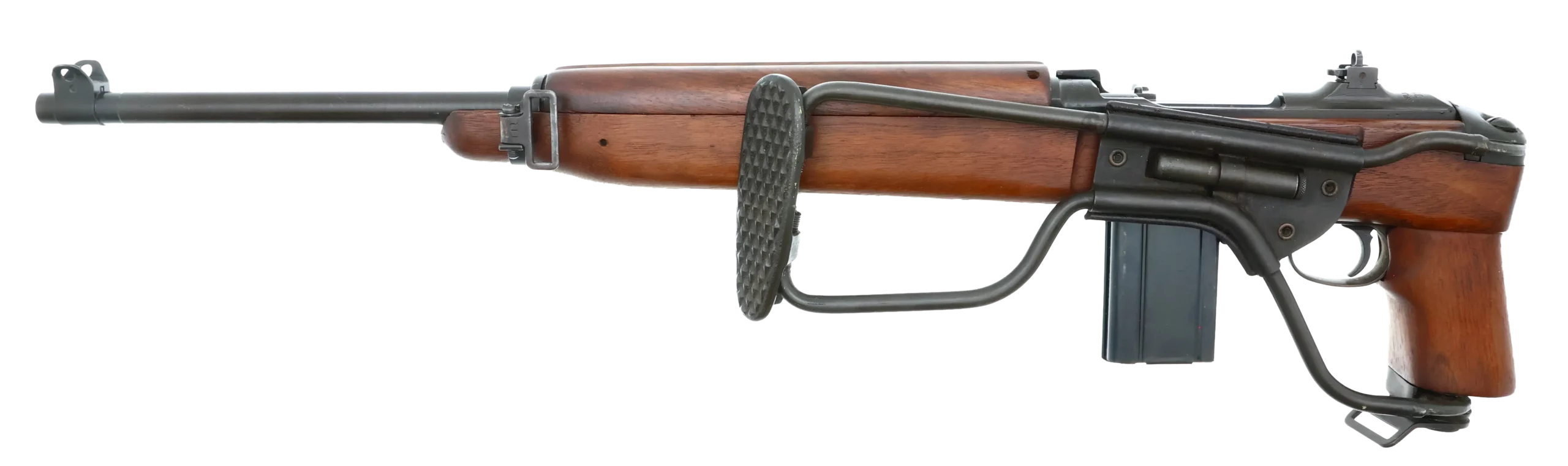
Inland M1A1 “Paratrooper”
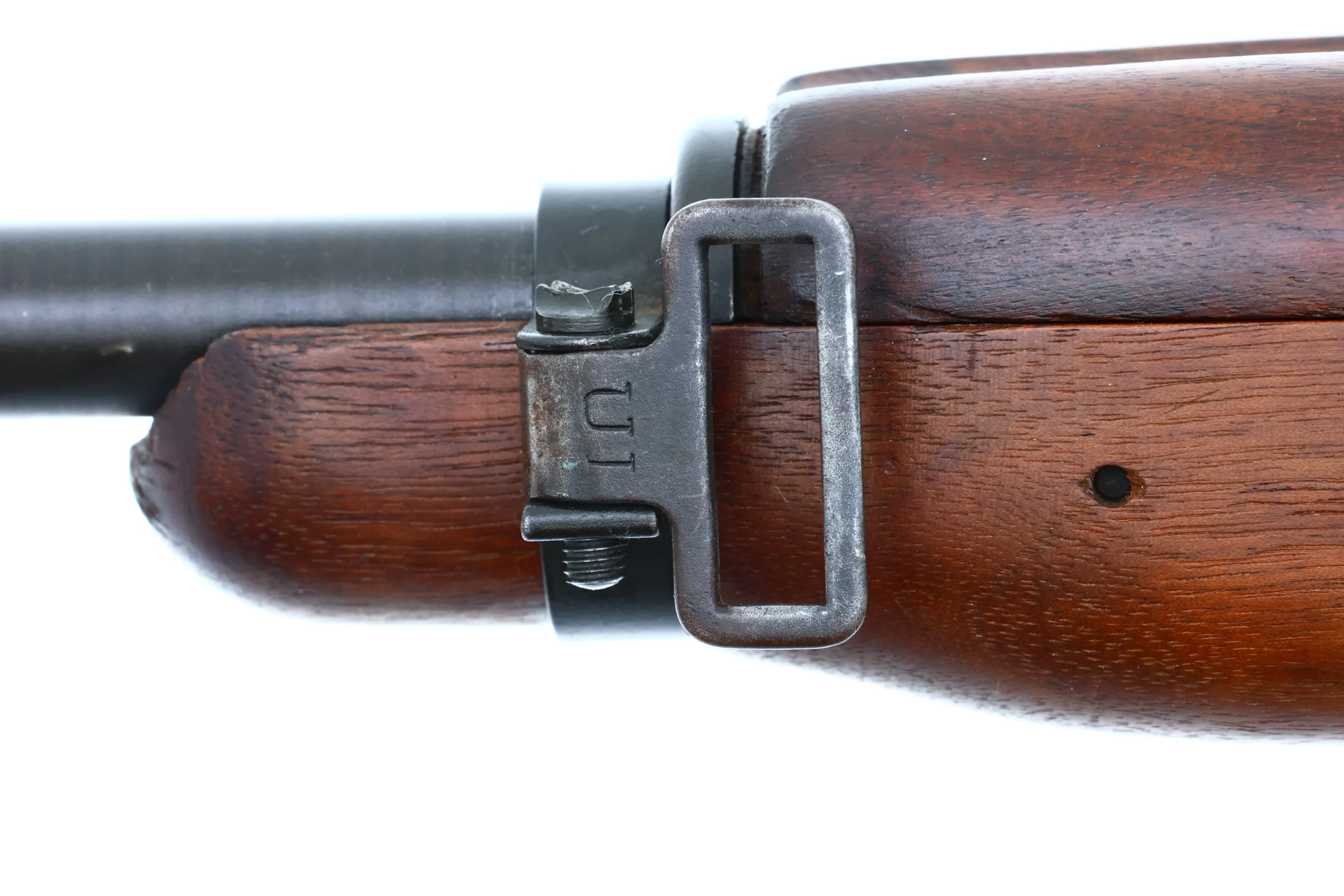
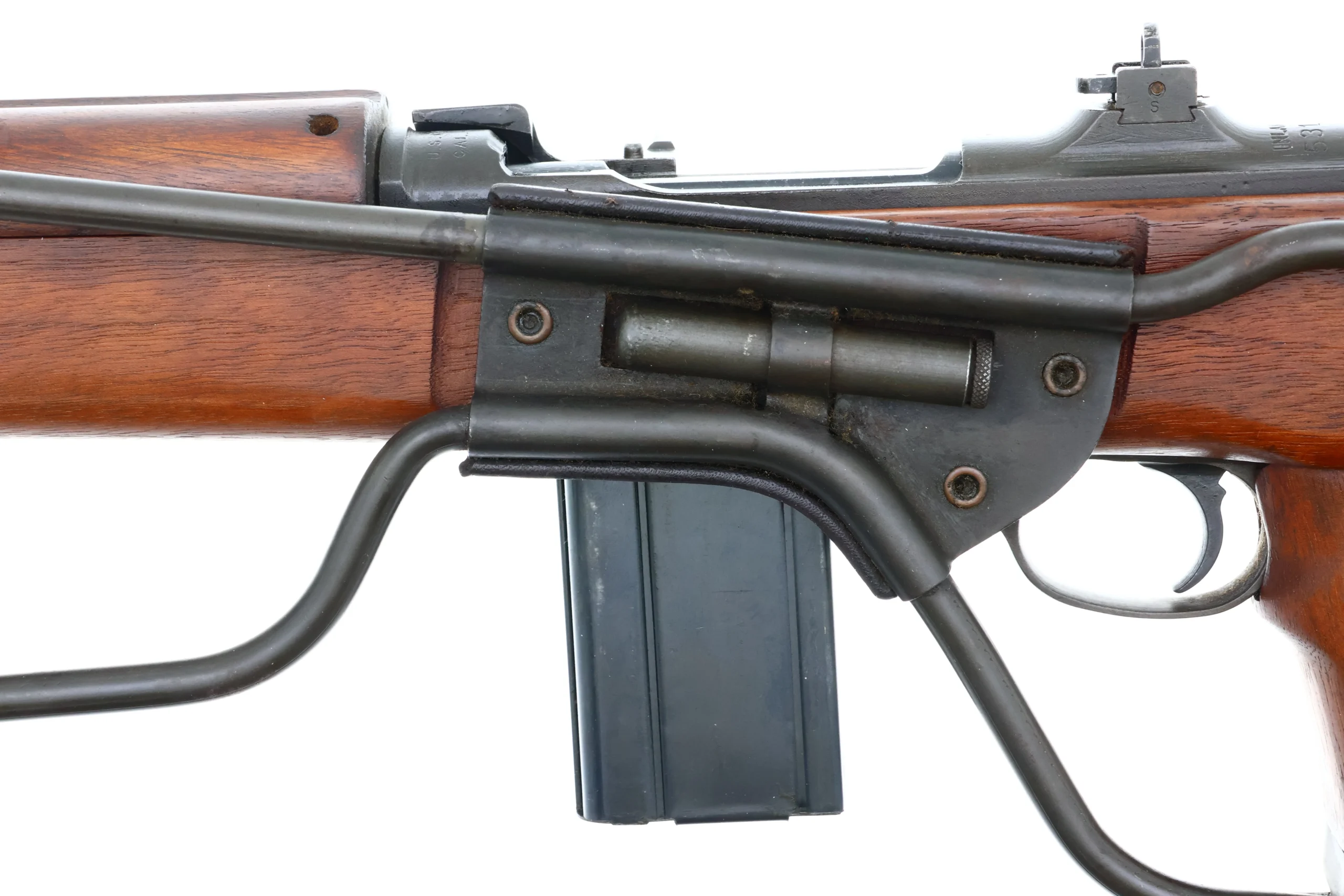
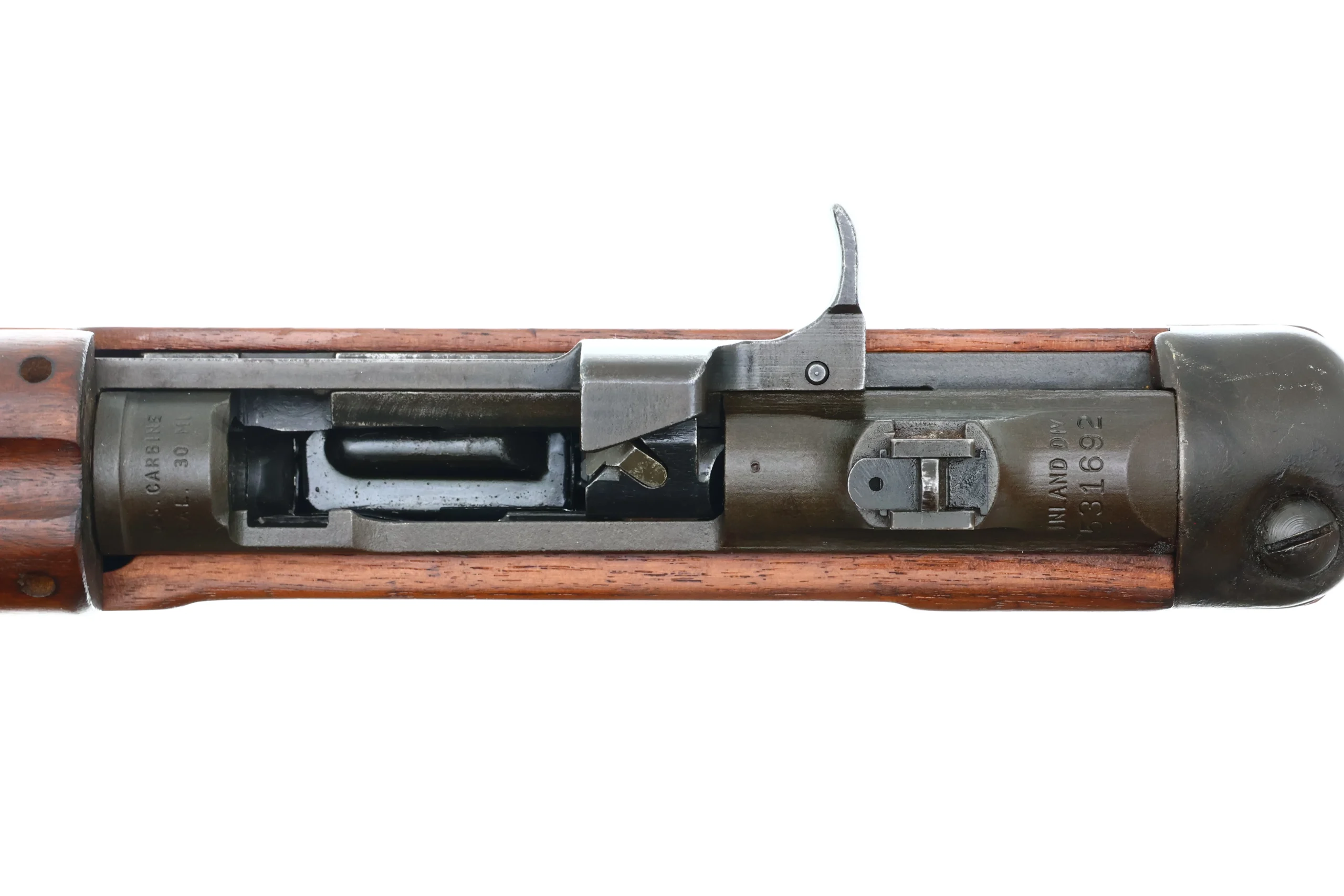
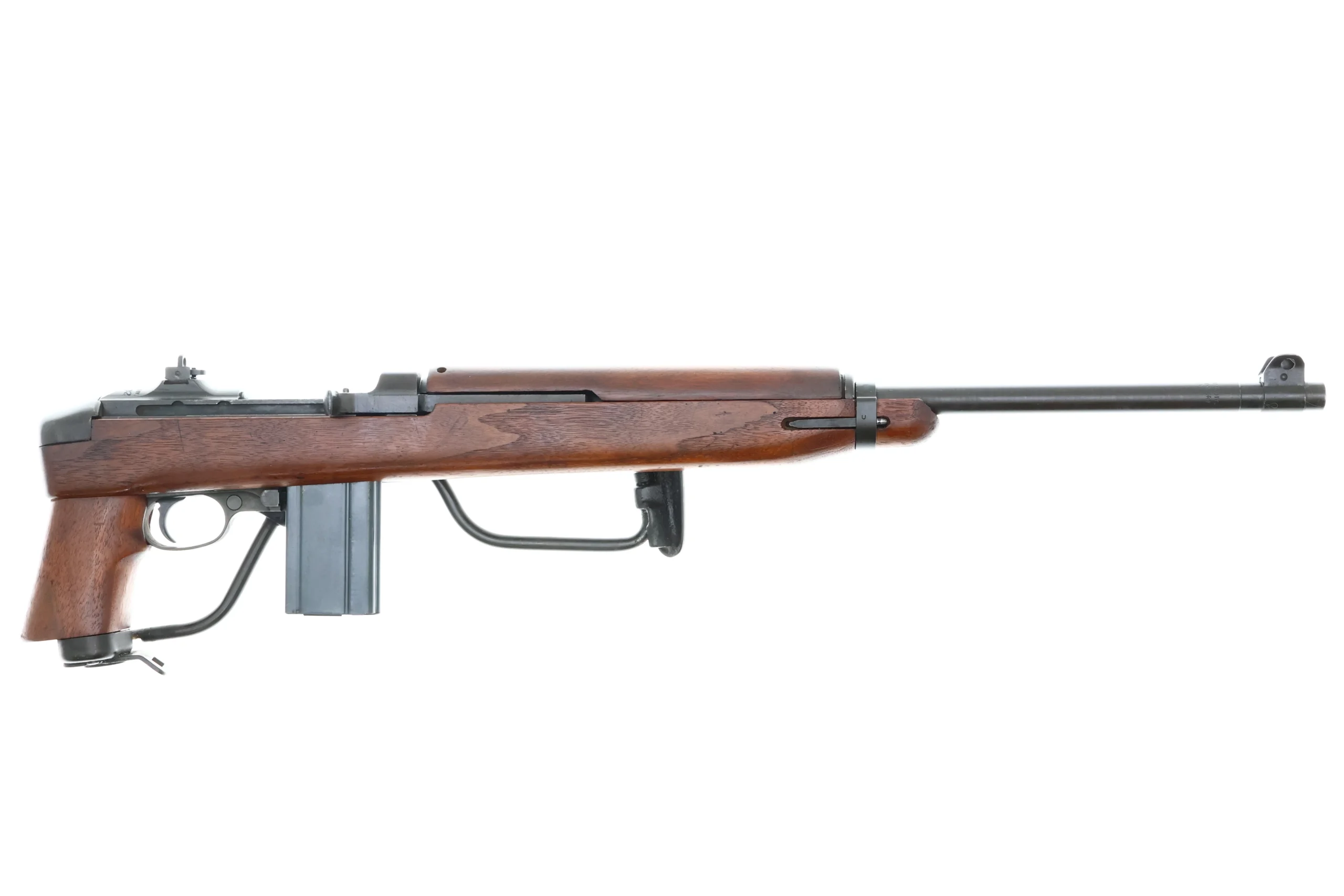
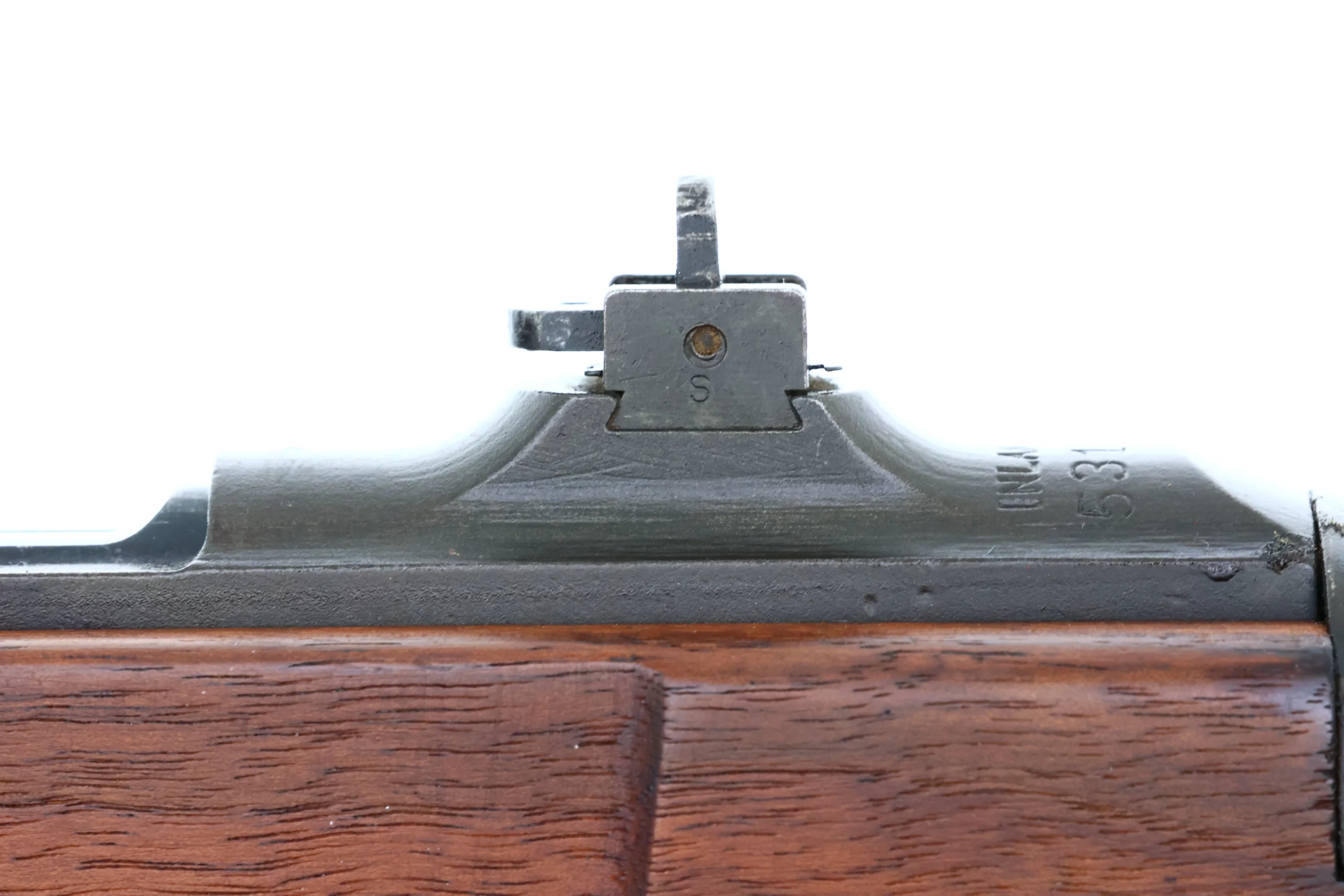
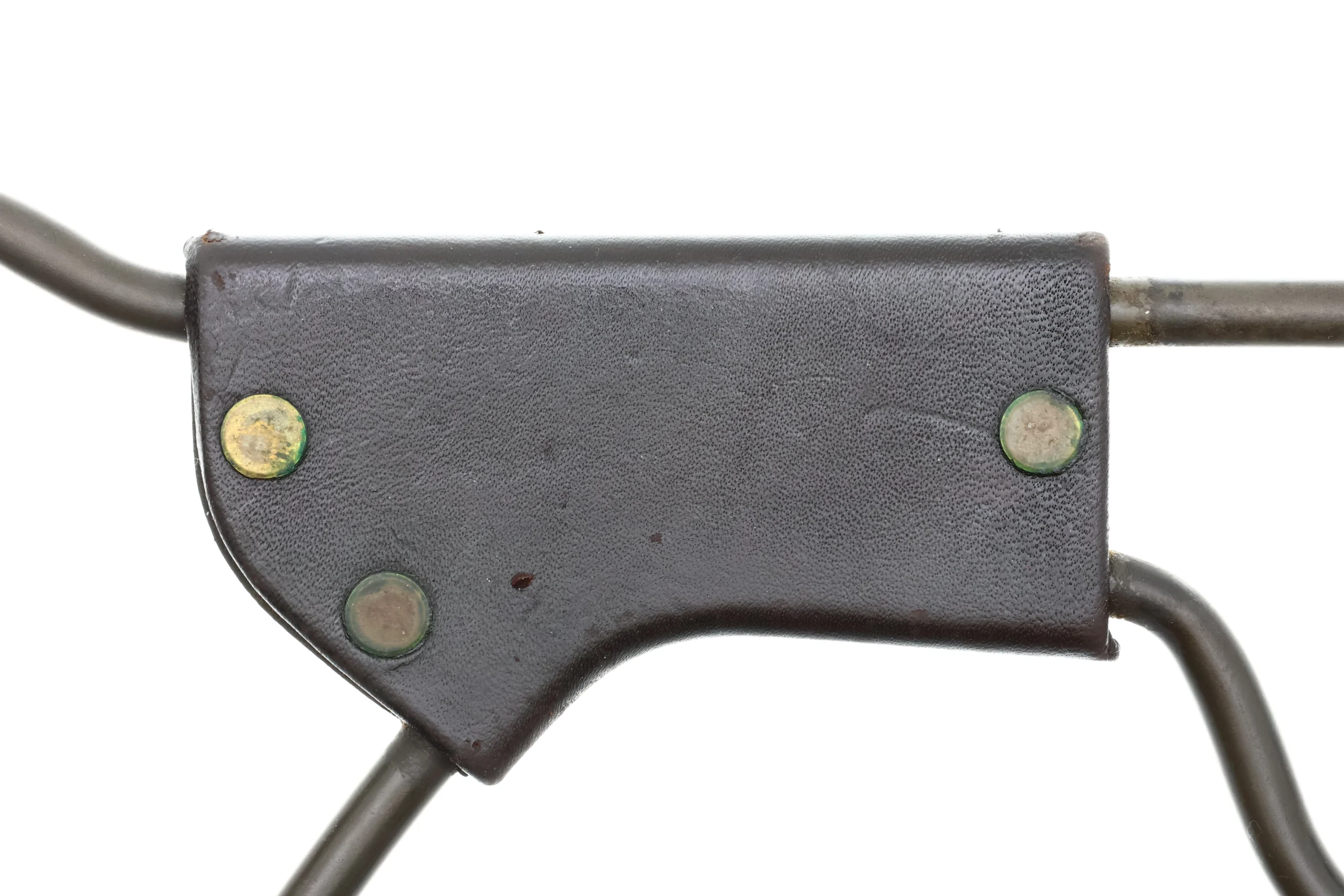
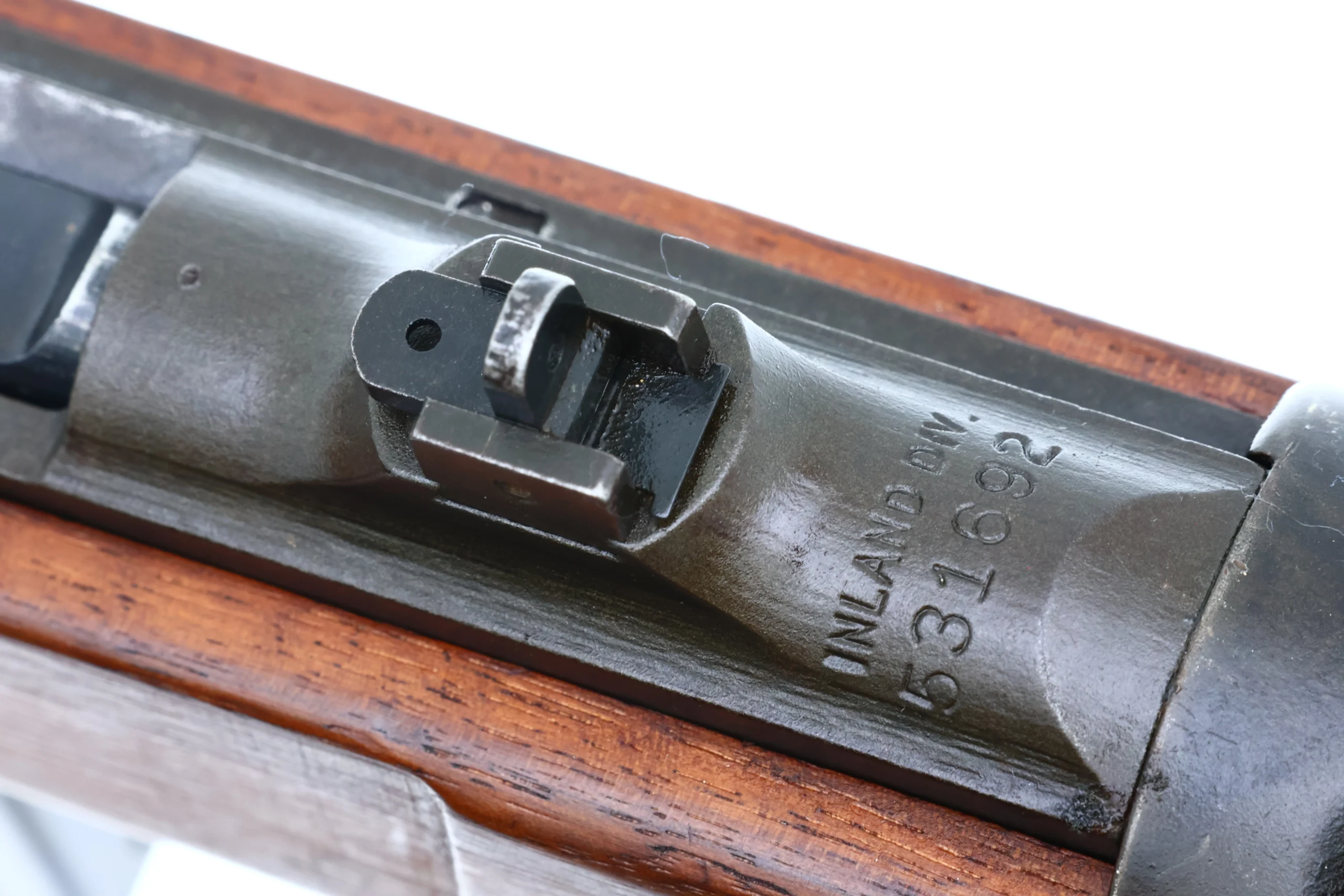
The M1A1 Carbine was a specialized airborne version of the U.S. M1 Carbine developed during World War II to meet the needs of paratroopers. It retained the lightweight, semi-automatic .30 Carbine action of the standard M1, but featured a compact, side-folding metal stock with a leather cheek pad, allowing the weapon to be carried more easily during parachute jumps and quickly deployed after landing. Manufactured exclusively by Inland Manufacturing, the M1A1 saw combat with U.S. airborne units in major operations such as Normandy and Market Garden, where its portability and rapid fire made it well suited to the fast-moving, close-range fighting typical of airborne operations. During World War II, Inland Manufacturing was the sole producer of the M1A1 Carbine, producing roughly 140,000 units, all manufactured during the war. The M1A1 typically incorporated early carbine features, such as a Type I barrel band without bayonet lug and simple rear sights, though many were later upgraded during postwar rebuild programs.
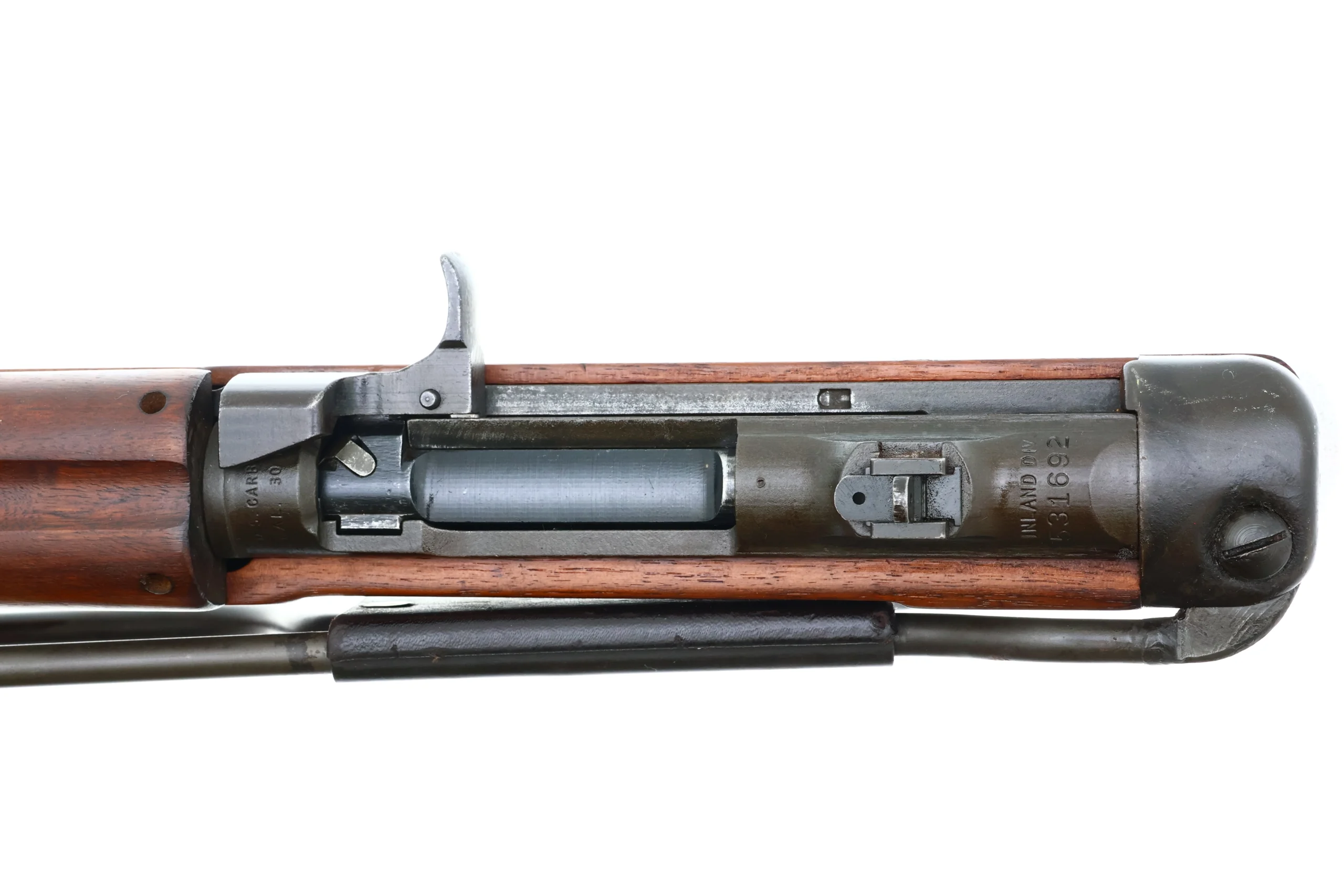
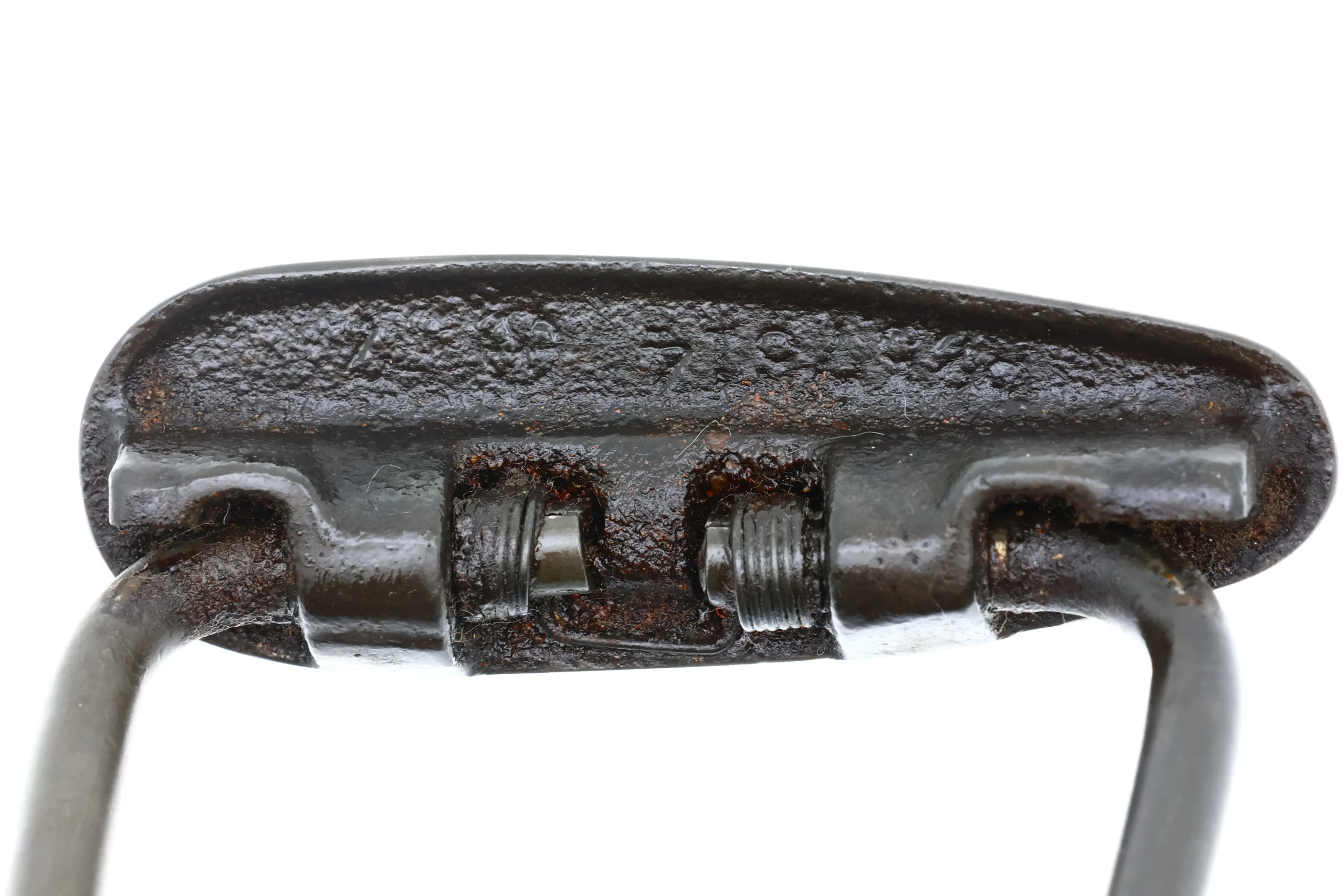
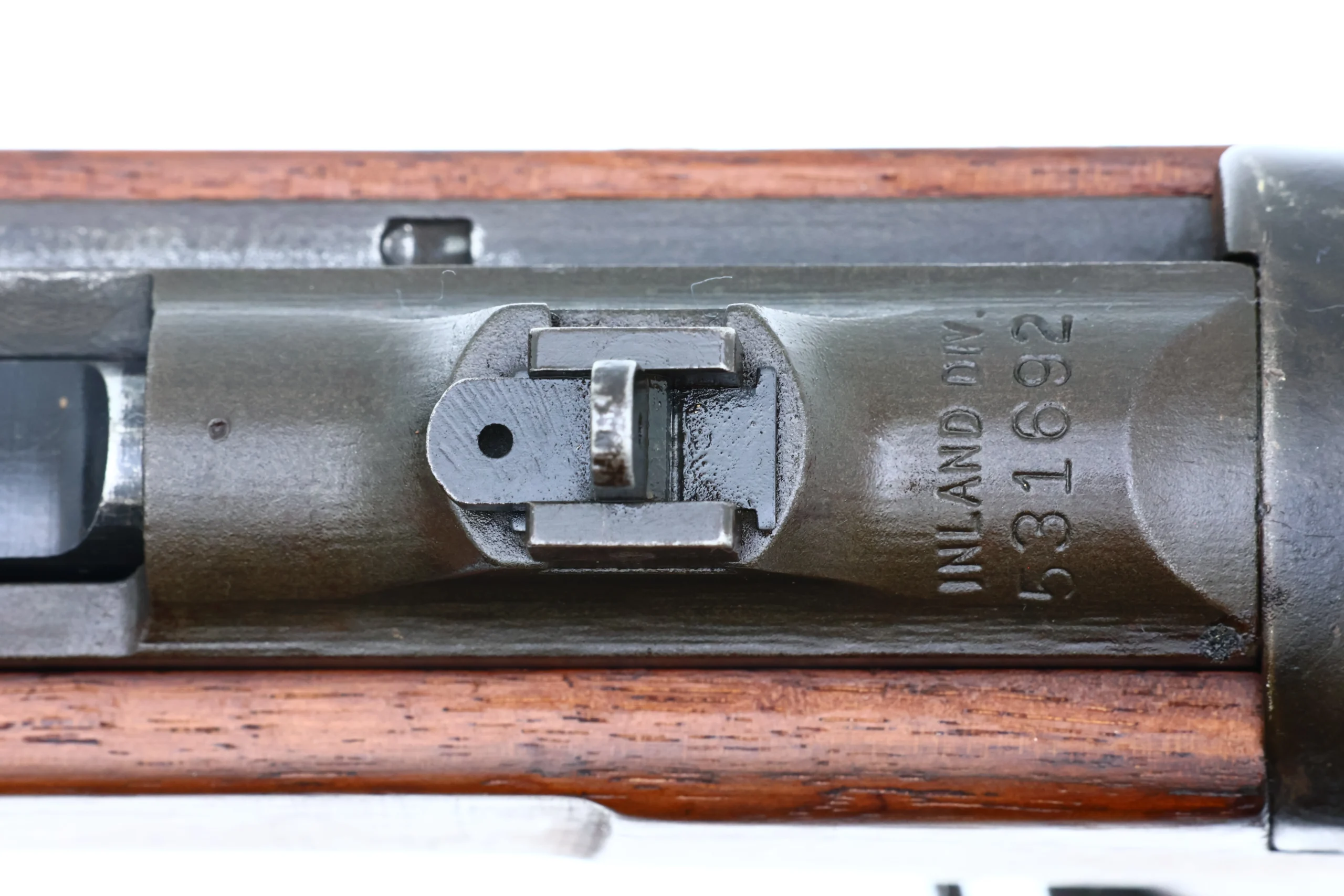
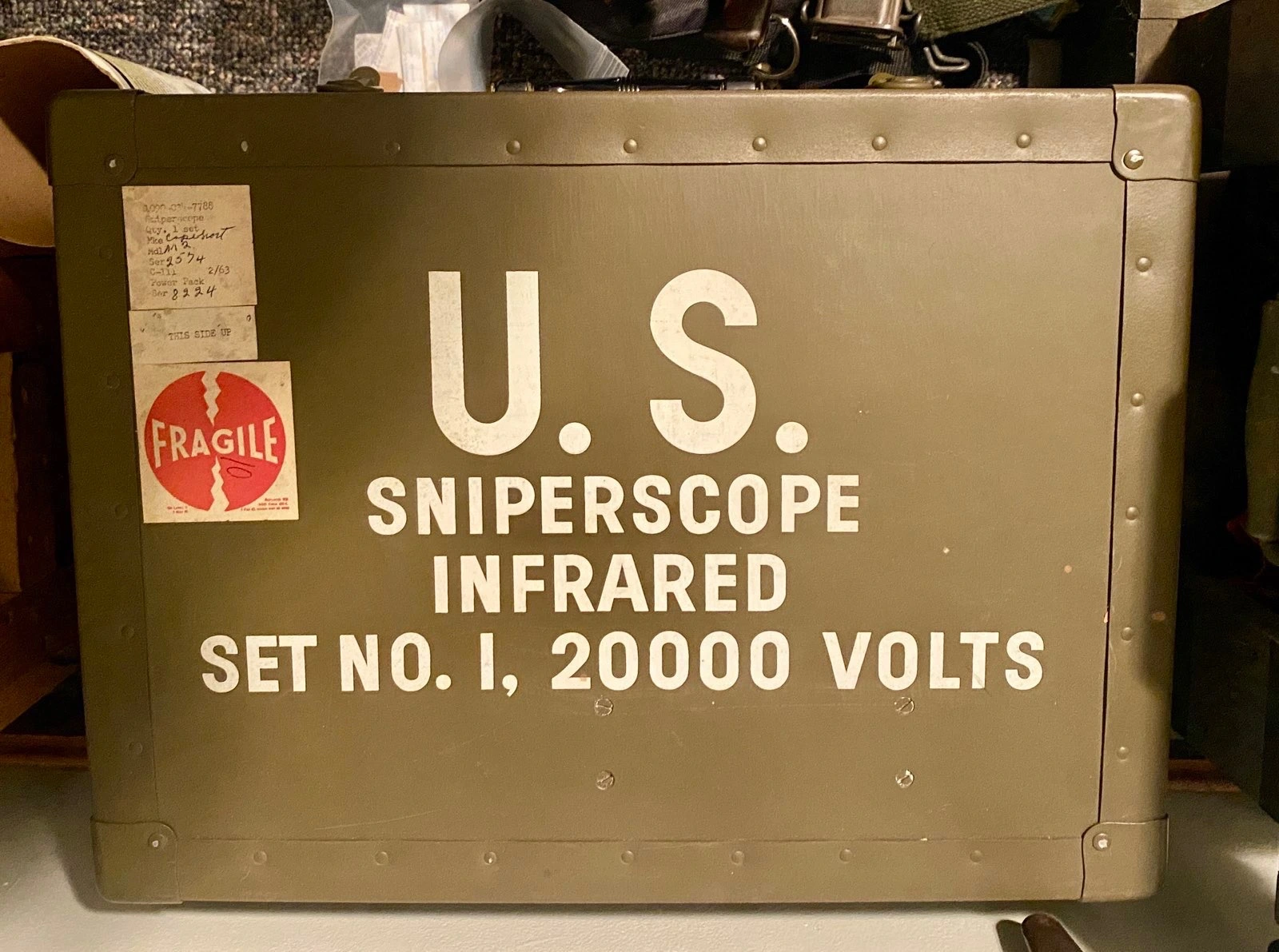
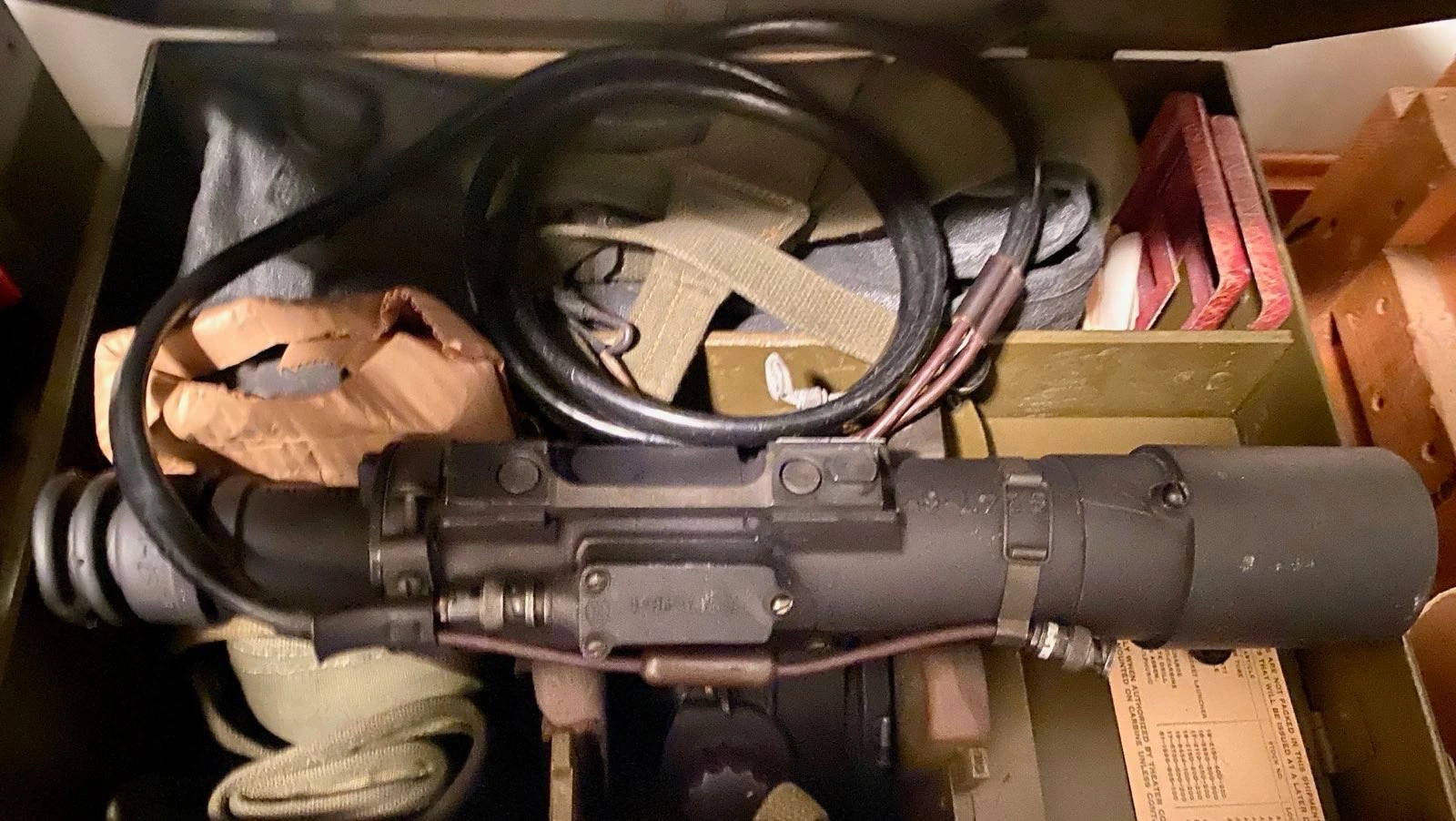
Inland created the novel T3 infrared–equipped M1 Carbine which represented a groundbreaking late–World War II development and was the first practical night-vision–equipped individual infantry weapon used in combat (also supplied with regular scope for daytime use). Developed by U.S. Army Ordnance in cooperation with the National Defense Research Committee, the system combined a modified M1 Carbine with an active infrared scope and an infrared searchlight powered by a battery pack worn by the soldier. Though bulky and limited in range, the T3 allowed troops to detect and engage enemy personnel in complete darkness without visible light, and it saw successful combat use in 1945, particularly during the Battle of Okinawa. Its effectiveness led to standardization as the M3 Carbine and established the technological foundation for modern night-vision infantry weapons. This T3 has been upgraded to the M3 scope and configured in a Koren war configuration. Inland produced the initial 820.
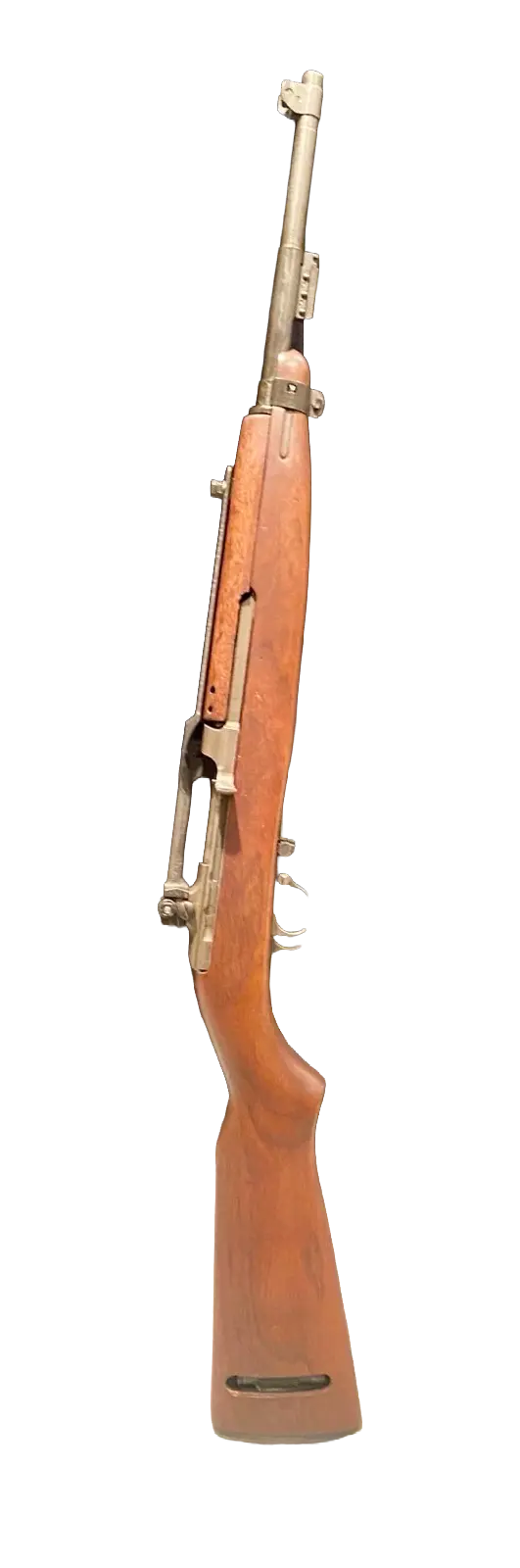
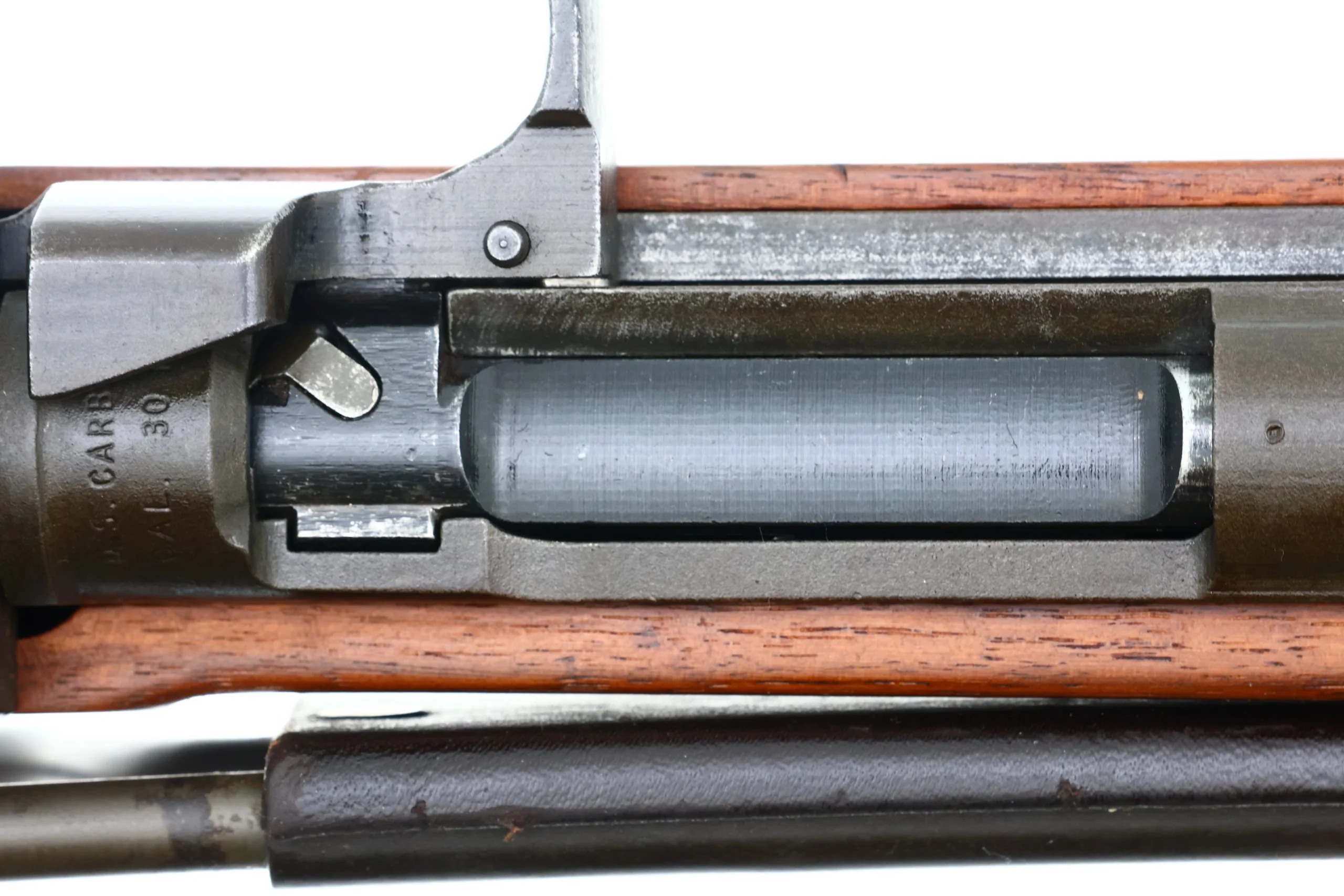
Late-war Type 3 M1 carbines reflect combat experience and production refinements introduced in 1944–1945 to improve durability, safety, and battlefield utility. They feature an adjustable rear sight mounted on a dovetail with staking marks, replacing the earlier flip sight, and a Type III barrel band with an integral bayonet lug, allowing use of the M4 bayonet. Most late-war carbines use a round bolt and a strengthened Type III operating slide for improved reliability, along with a lever safety that reduced accidental magazine releases compared to the earlier push-button design. Stocks are low-wood cut to clear the operating slide, paired with four-riveted, two-vent or three-vent barrel handguards that offered better barrel protection. These features made late-war carbines slightly heavier than early examples, but significantly more robust, representing the mature, standardized configuration of the M1 Carbine as it emerged at the end of World War II.