


Origins in Industrial Dayton (1922–1940)
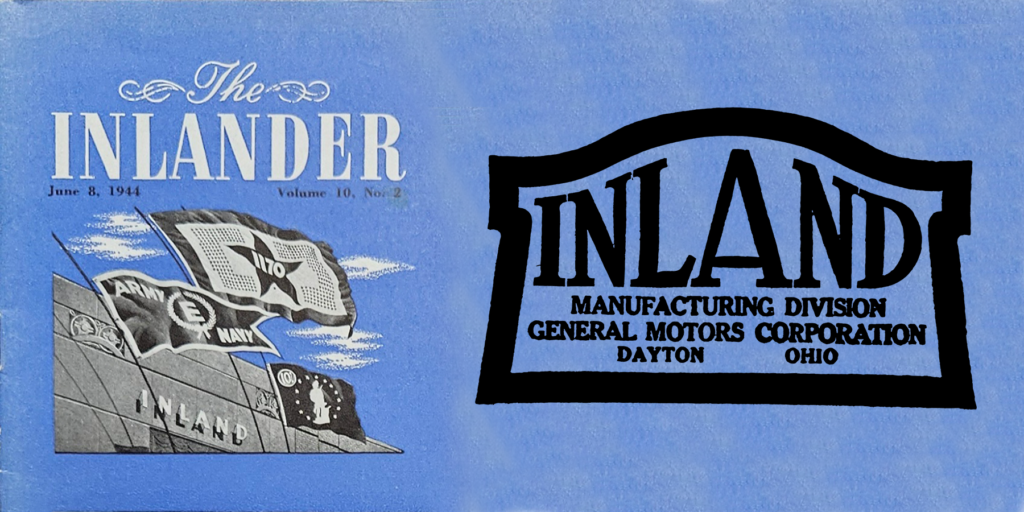
In 1922, the Inland Manufacturing Division was organized as part of General Motors. Located in Dayton, Ohio, Inland initially focused on automotive components, most notably producing wood-wrapped steering wheels and precision parts for the rapidly expanding automobile industry.
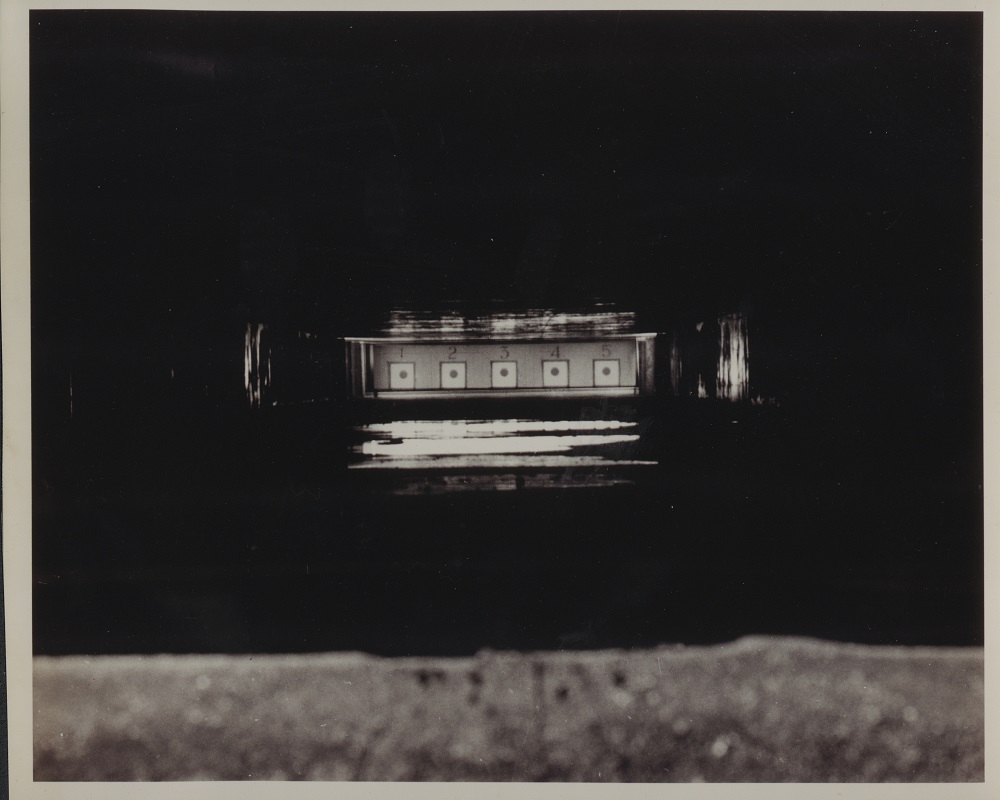
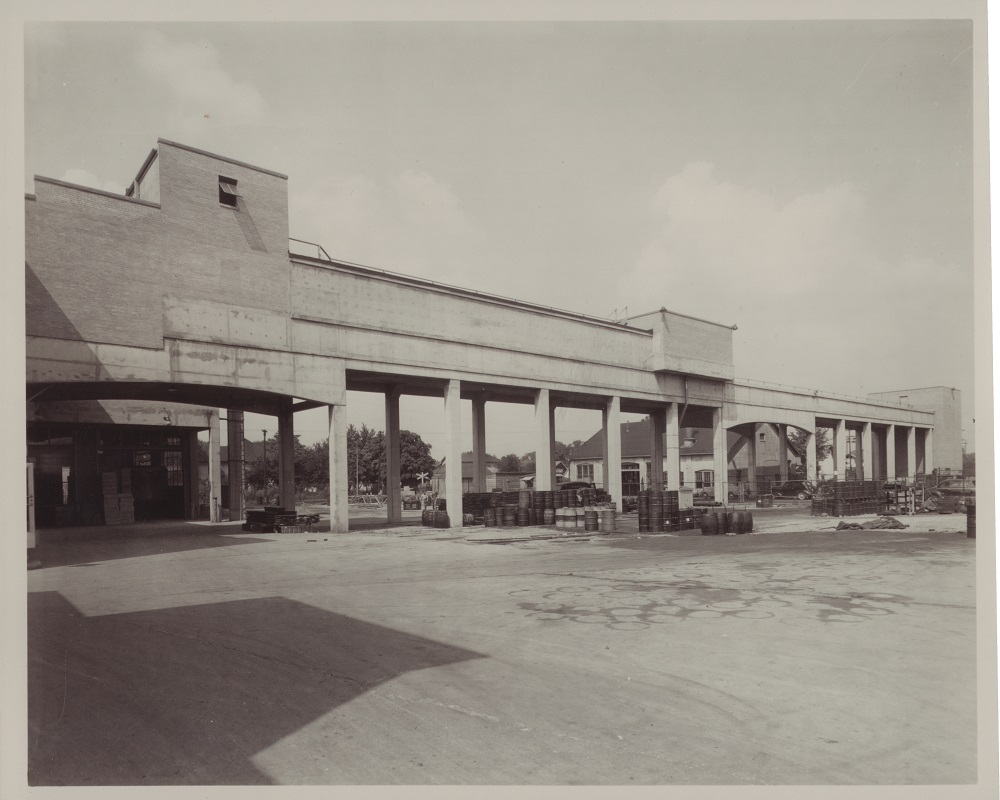
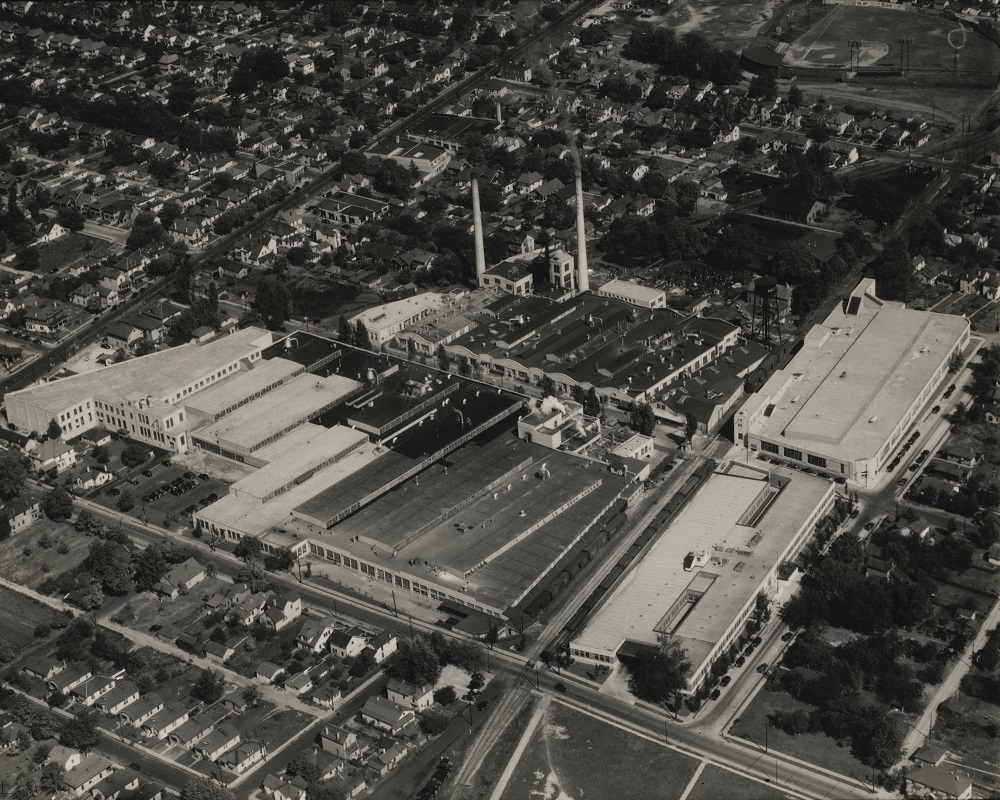
The Dayton facility itself had aviation roots. Portions of the site were associated with the former Dayton-Wright Airplane Company, tying Inland to Ohio’s broader industrial and aviation heritage. These hangar-style structures became symbolic of the facility and later part of its historical identity.
By the late 1930s, Inland had developed strong expertise in:
- Precision machining
- Tool-and-die manufacturing
- High-volume industrial production
- Gauge and tooling design
Those capabilities would soon become critical to the American war effort.
America’s Arsenal: Inland Enters the M1 Carbine Program (1941)
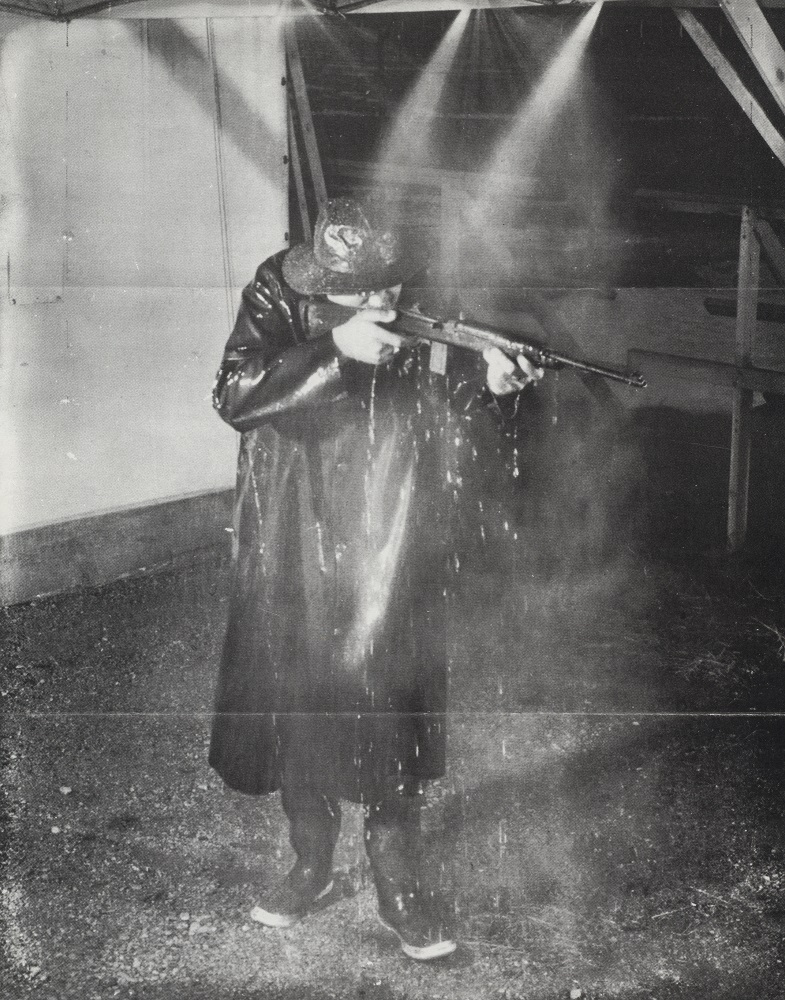
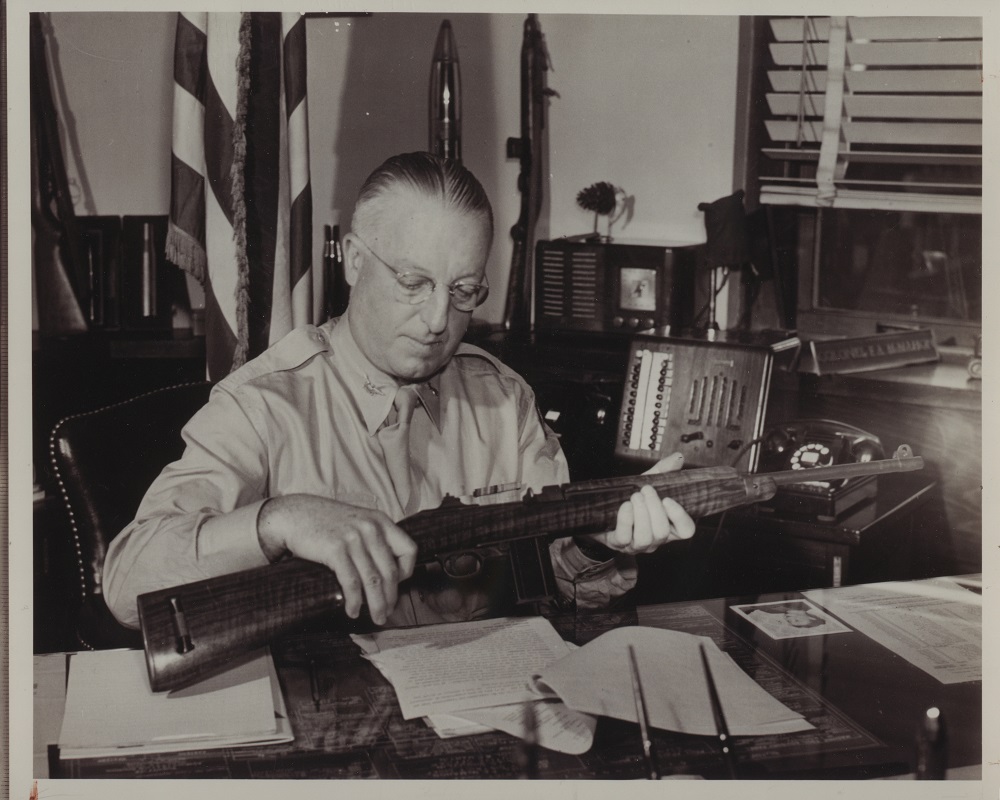
In 1940–1941, the U.S. Army identified a need for a lightweight shoulder weapon to bridge the gap between the pistol and the full-sized service rifle. The resulting weapon was the M1 Carbine, officially designated the M1 Carbine.
While the design originated with Winchester Repeating Arms Company engineers, Inland became one of the first large-scale producers once the carbine was standardized in 1941.
Why Inland?
Inland’s existing:
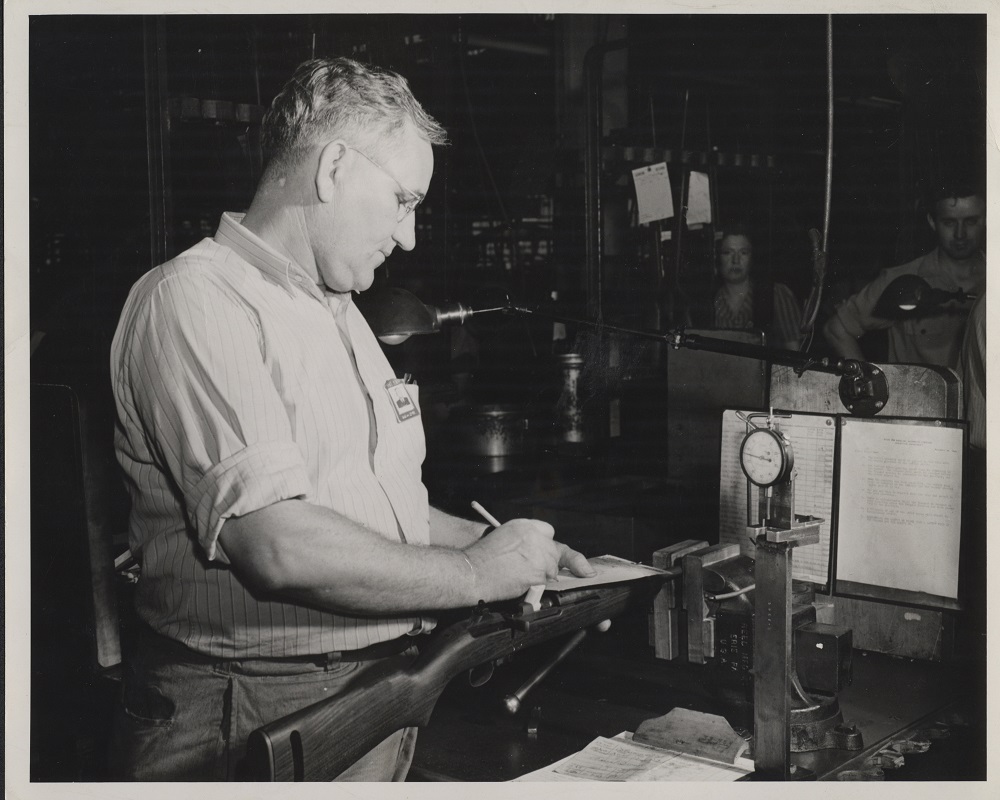
- Precision machining capability
- Automotive mass-production experience
- Tooling and gauge expertise
- Access to General Motors’ industrial infrastructure
made it an ideal candidate for rapid wartime scaling.
The Largest Producer of the M1 Carbine (1941–1945)
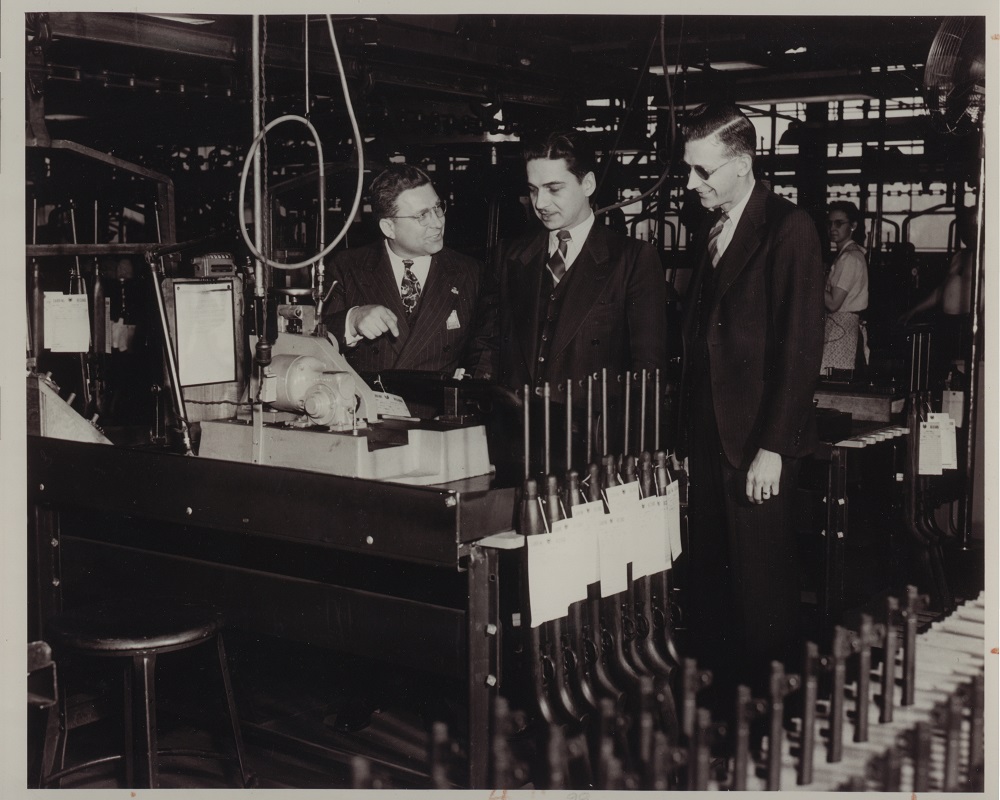
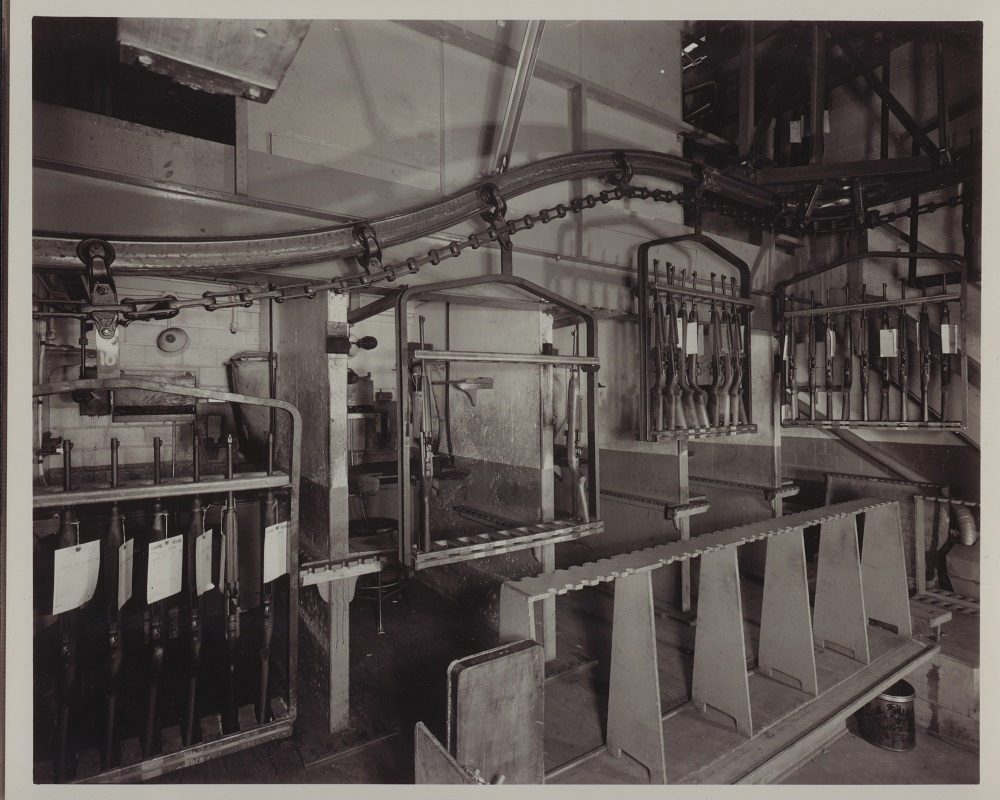
During World War II, Inland became the largest producer of M1 Carbines.
Production totals (approximate):
- 2.6+ million carbines
- Roughly 43% of all WWII M1 Carbine production
No other contractor approached Inland’s output.
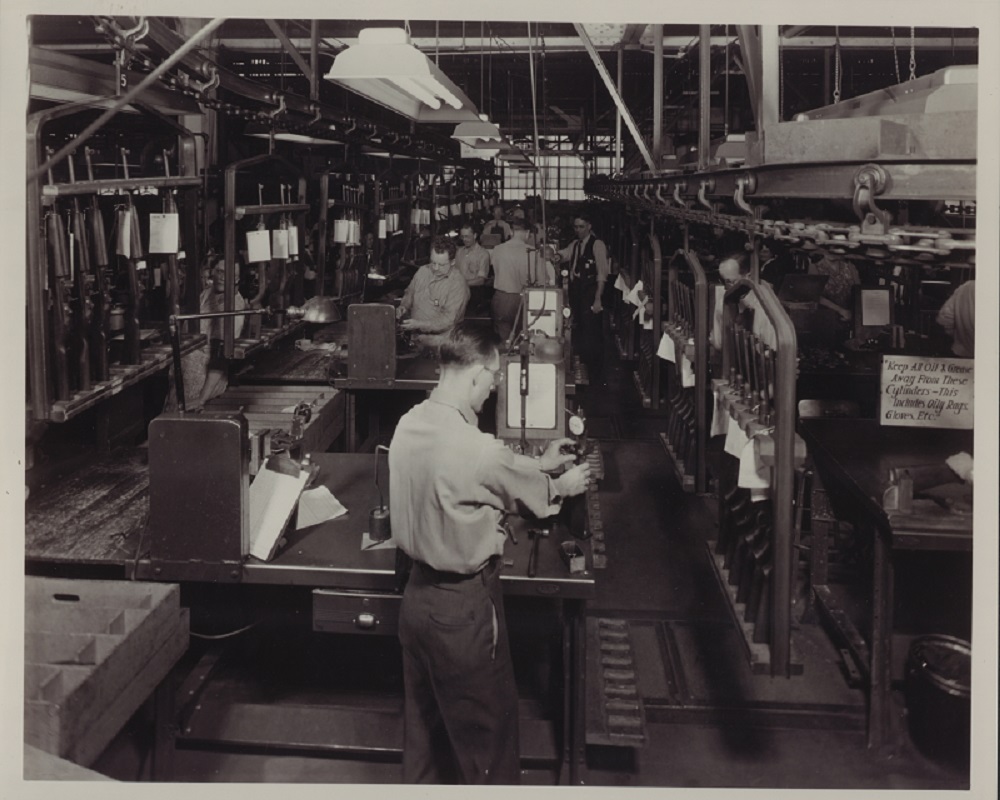
Tooling the Nation
Beyond building carbines, Inland manufactured tooling, gauges, and fixtures that other prime contractors used. In many respects, Inland helped industrialize the entire carbine program.
Exclusive Variant: The M1A1 Paratrooper Carbine
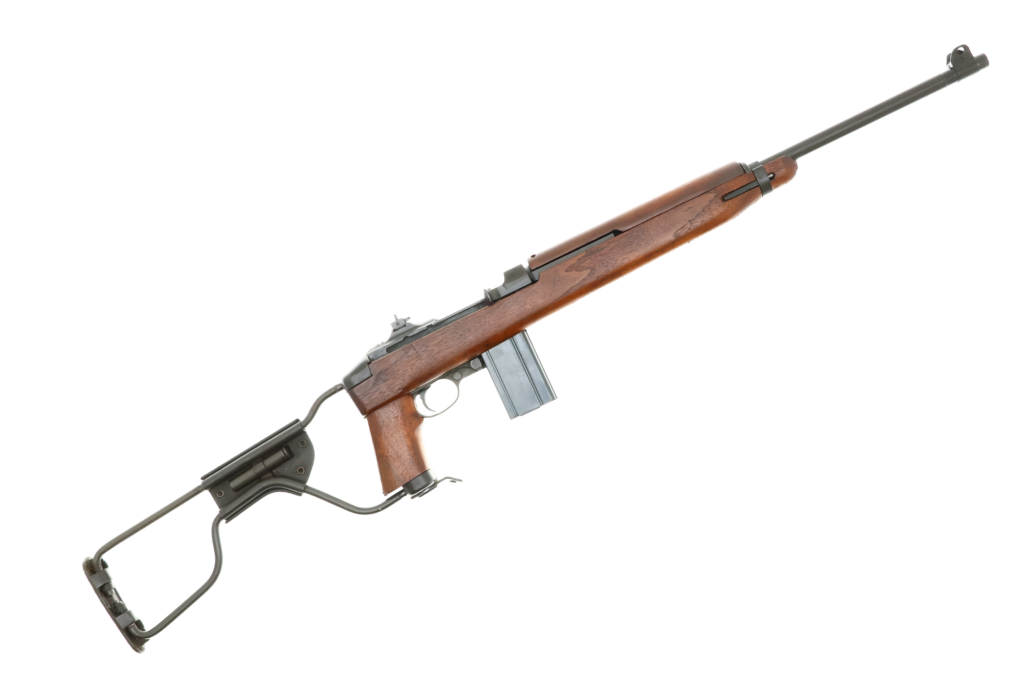
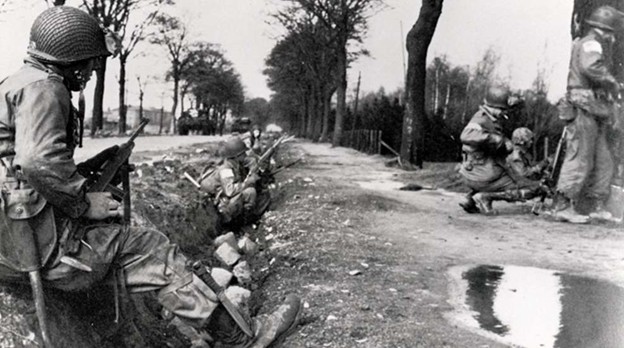
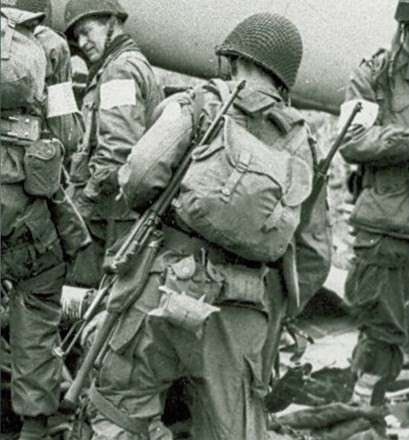
The folding-stock M1A1 variant was produced exclusively by Inland.
M1A1 Carbine
Designed for airborne troops, the M1A1 featured:
- A steel side-folding stock
- Compact transport capability
- Same .30 Carbine chambering
- Lightweight configuration for paratroopers and glider troops
Over 140,000 M1A1 carbines were manufactured by Inland, making it one of the most iconic airborne weapons of WWII.
Beyond Carbines: Inland’s Broader War Production
Inland was not solely a firearms producer. As part of General Motors’ wartime mobilization, Inland also manufactured:
- Tank track components (“tank shoes”)
- Aircraft parts
- Sights and shoulder rests for Oerlikon 20mm anti-aircraft guns
- Various precision military components
This diversification reflected the total-war industrial environment of the 1940s.
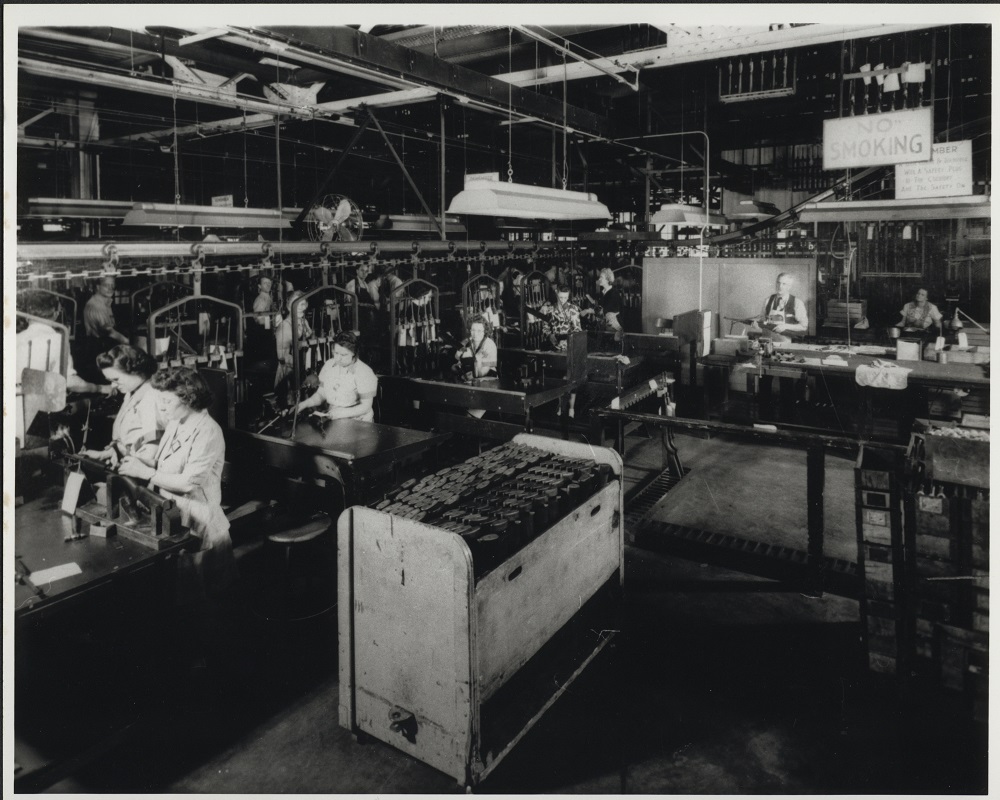
The Human Element: Inland Workers
At peak wartime production:
- Thousands of employees worked around the clock
- Women filled skilled industrial positions
- Production lines operated in multiple shifts
Inland exemplified the American “Arsenal of Democracy,” combining automotive efficiency with military urgency.
Postwar Transition (1946–1990s)
When World War II ended, Inland ceased firearms production and returned to automotive manufacturing under the General Motors structure.
Over the following decades:
- Inland operations were absorbed into GM’s broader component divisions
- Eventually became part of what evolved into Delphi Automotive Systems
- Separated from GM corporate structure in the late 1990s
By the early 21st century, the original Inland Division no longer existed as it had during WWII.
The End of the Original Facility (2014)
The historic Inland complex at 2701 Home Avenue, Dayton, Ohio, was largely demolished beginning in March 2014.
However, the original aviation-era hangars were preserved due to their historic significance, maintaining a visible connection to Dayton’s industrial and aviation heritage.
The Modern Inland (2013–Present)
In 2013, a new private company—Inland Manufacturing, LLC—was established.
While not legally tied to the original GM division, the modern company:
- Operates in Ohio
- Produces reproduction M1 Carbines
- Pays homage to the WWII Inland legacy
Today, Inland-marked carbines—original and reproduction—remain highly sought after by collectors.
Legacy and Historical Significance
Inland Manufacturing represents:
- The fusion of automotive engineering and wartime production
- The largest contributor to the M1 Carbine program
- The exclusive maker of the M1A1 Paratrooper variant
- A major part of Ohio’s WWII industrial story
For collectors, historians, and veterans’ families, Inland carbines are more than firearms—they are industrial artifacts of America’s mobilization during World War II.
Click above to view an internal History of INLAND document