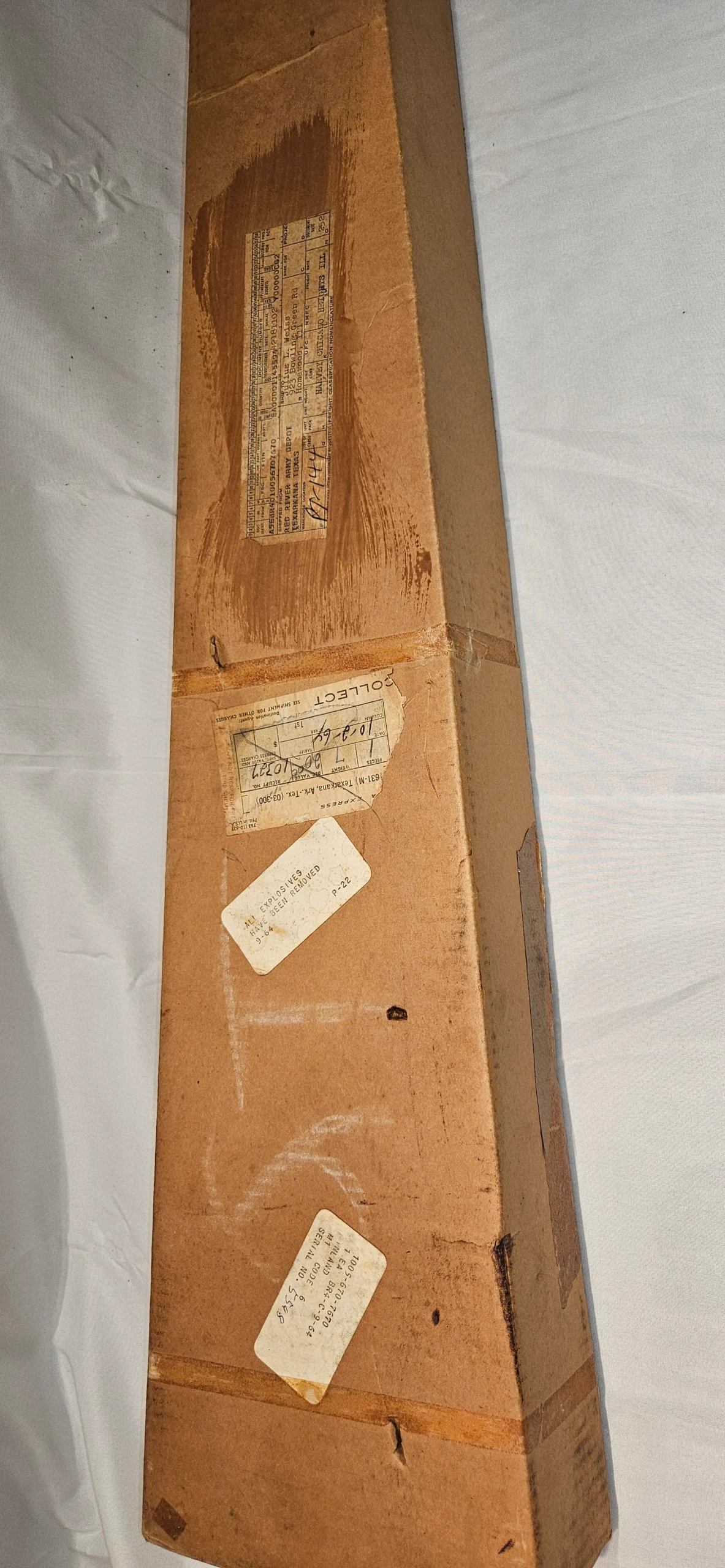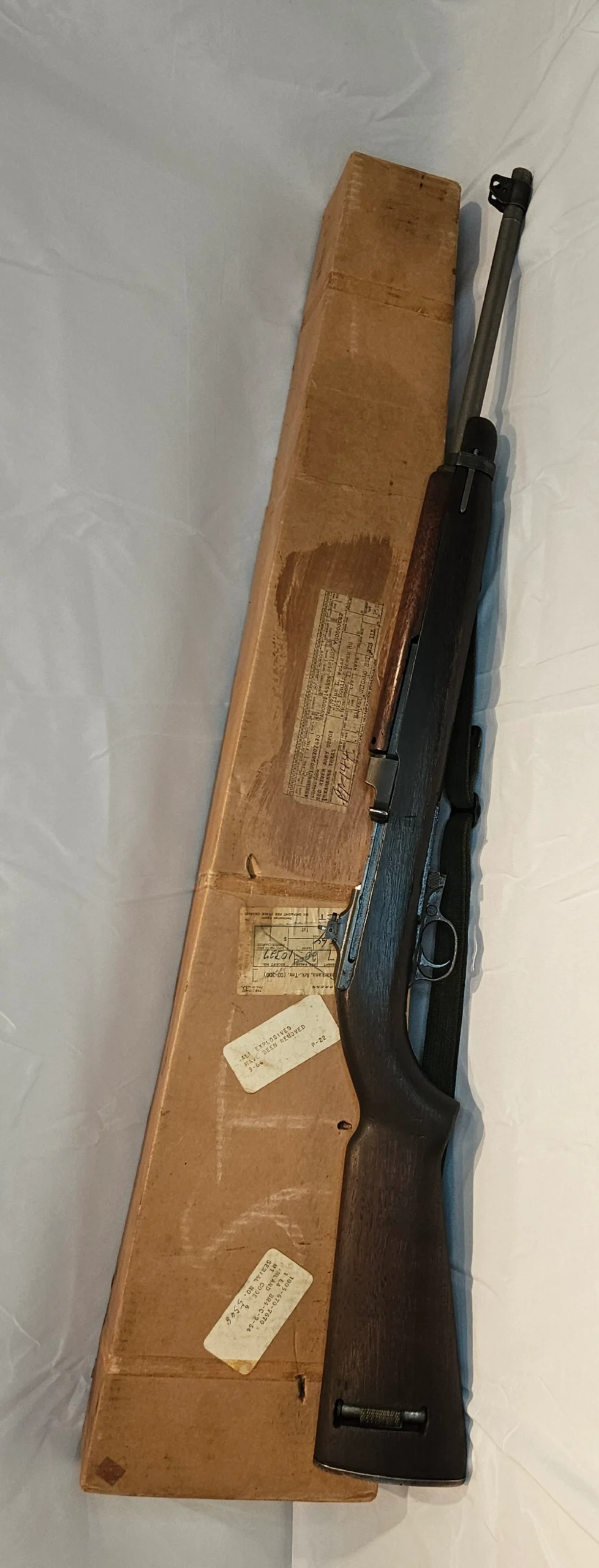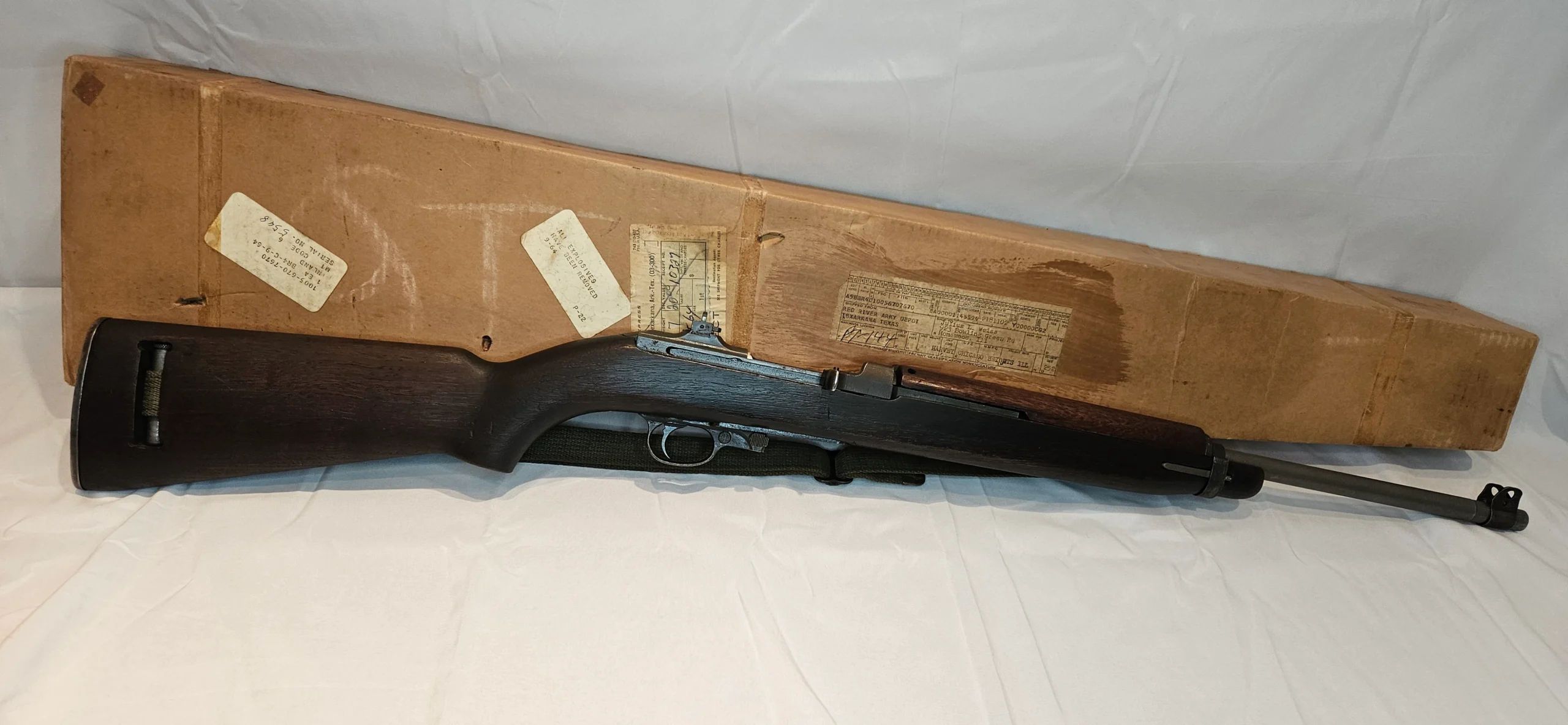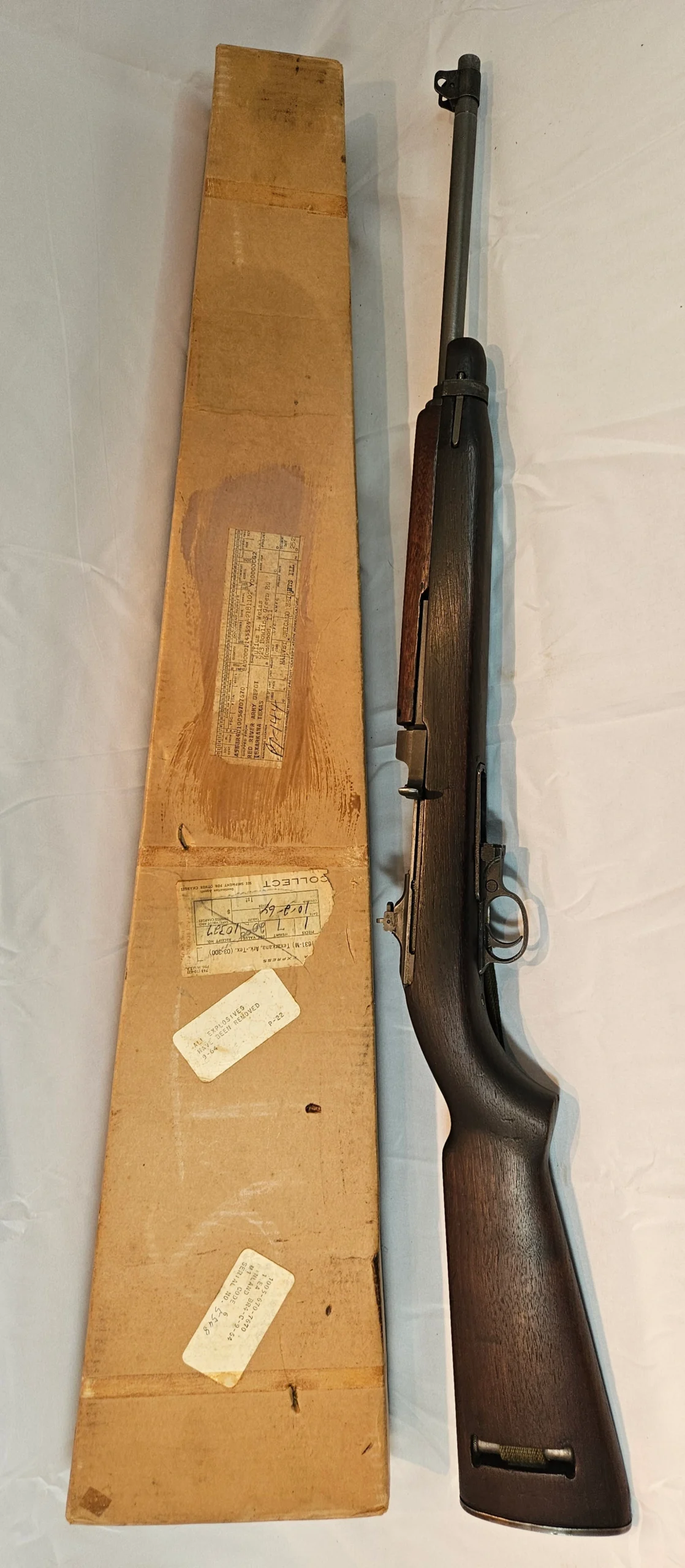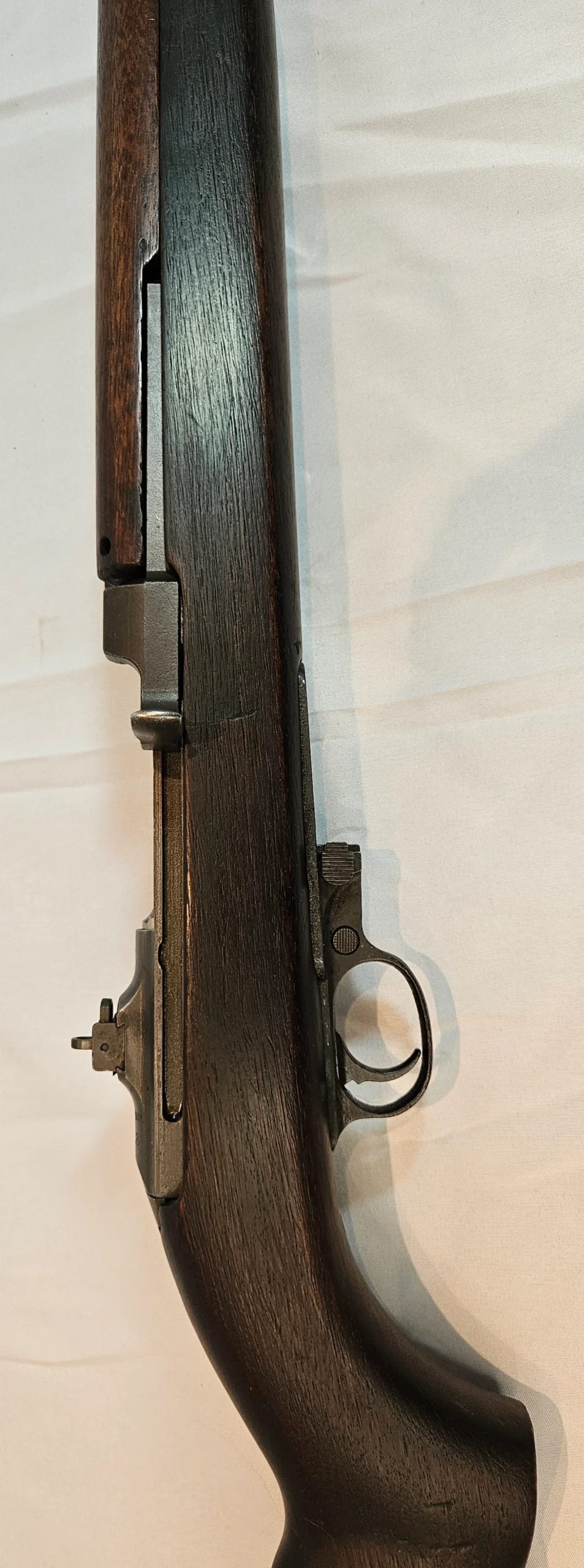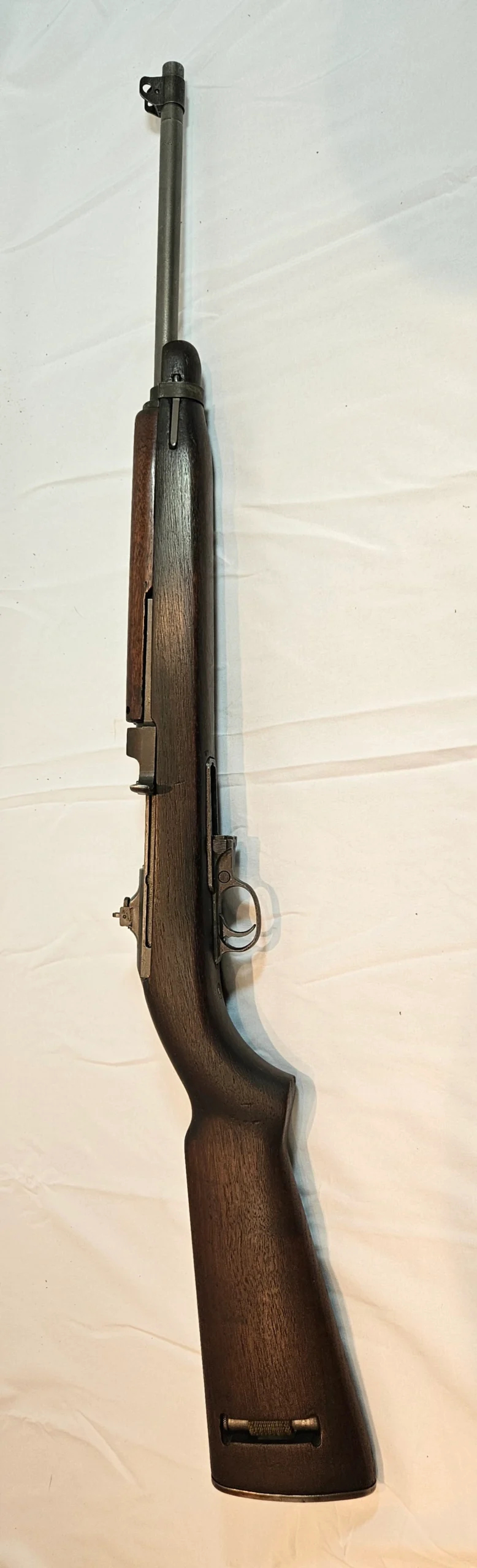



With nearly six million produced between 1942 and 1945, the M1 Carbine stands as one of the most successful small arms programs of World War II. Designed to bridge the gap between the pistol and the full-sized battle rifle, it offered lightweight portability, ease of use, and effective firepower for support troops, paratroopers, and officers. What began as a rapid wartime solution quickly became something far greater—a firearm that would leave a lasting imprint on both military history and the collecting community.
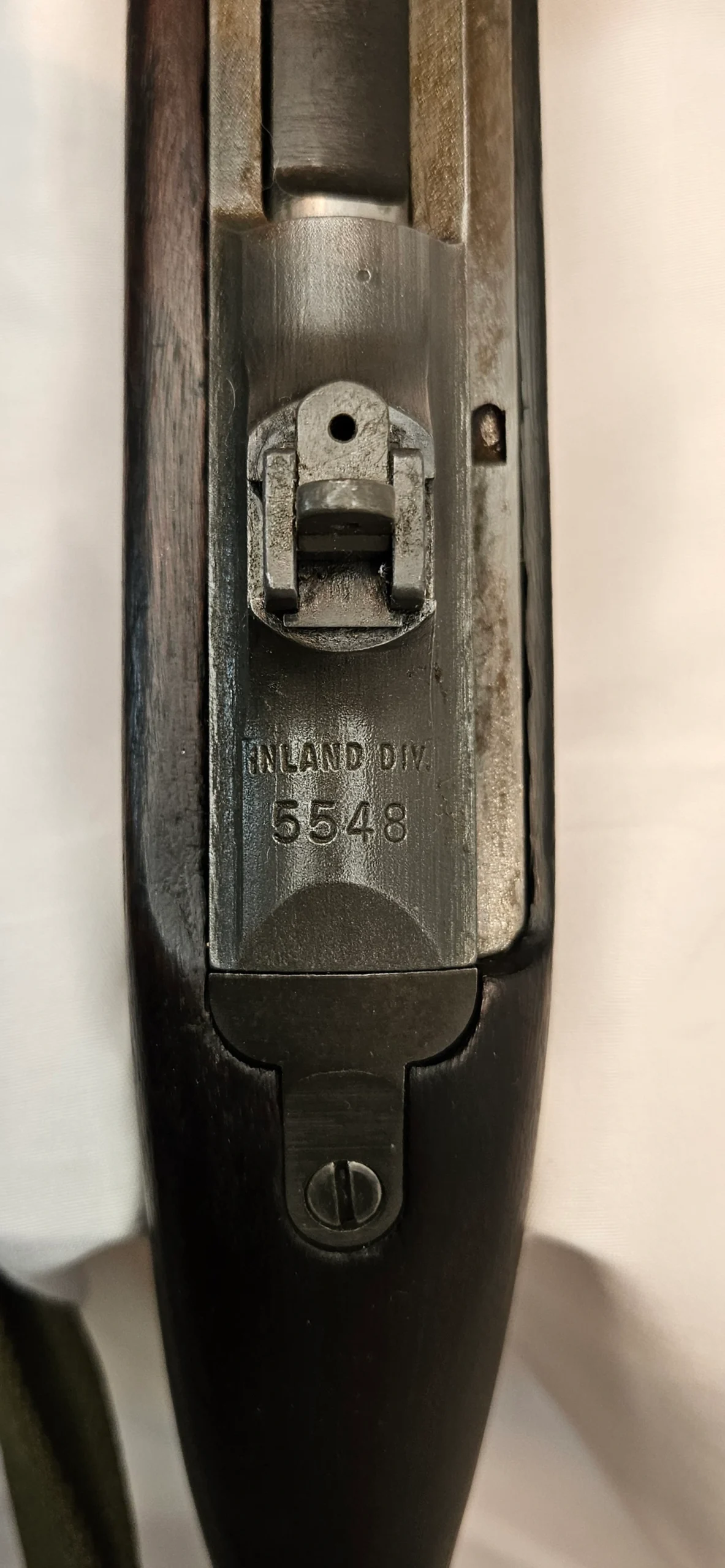
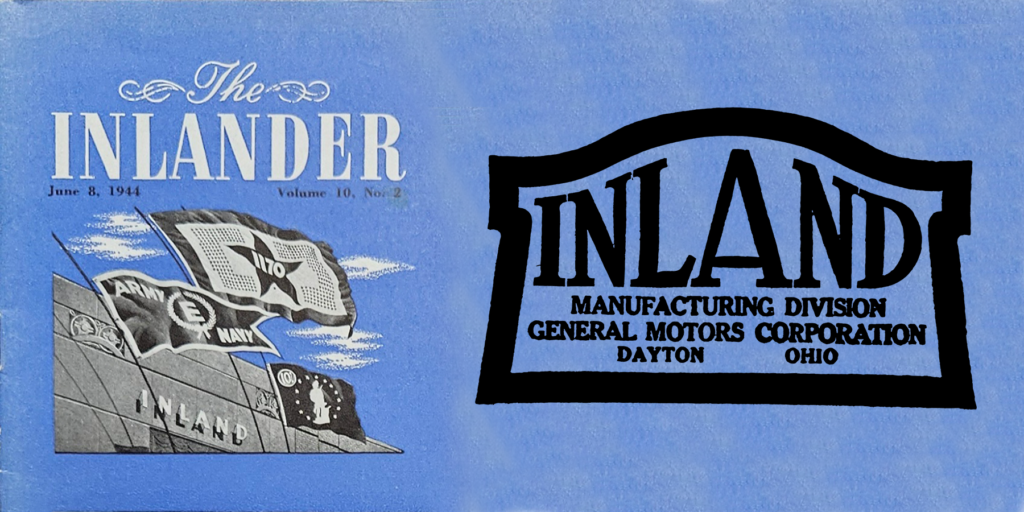
At the center of this success was American industry. Companies like the Inland Manufacturing Division of General Motors, along with nine other prime contractors and hundreds of subcontractors, produced carbines on an unprecedented scale. This vast, decentralized manufacturing effort resulted in subtle differences in parts, finishes, markings, and configurations. At the time, these variations were simply the byproduct of wartime efficiency and interchangeability; today, they form the backbone of M1 Carbine collecting. Enthusiasts study everything from manufacturer codes and heat lot numbers to stock cartouches and machining differences, transforming what was once a standardized weapon into a rich and detailed field of research.
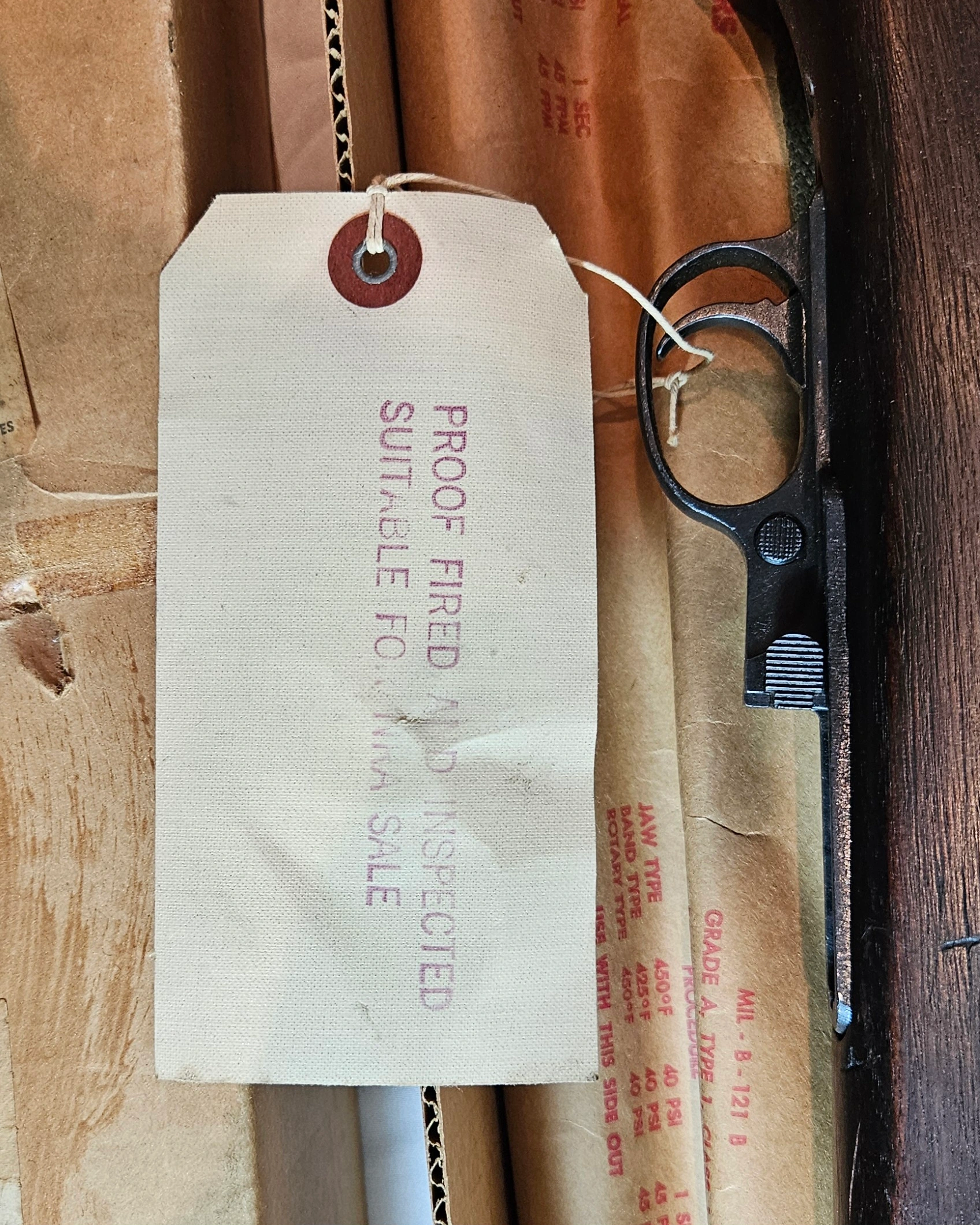
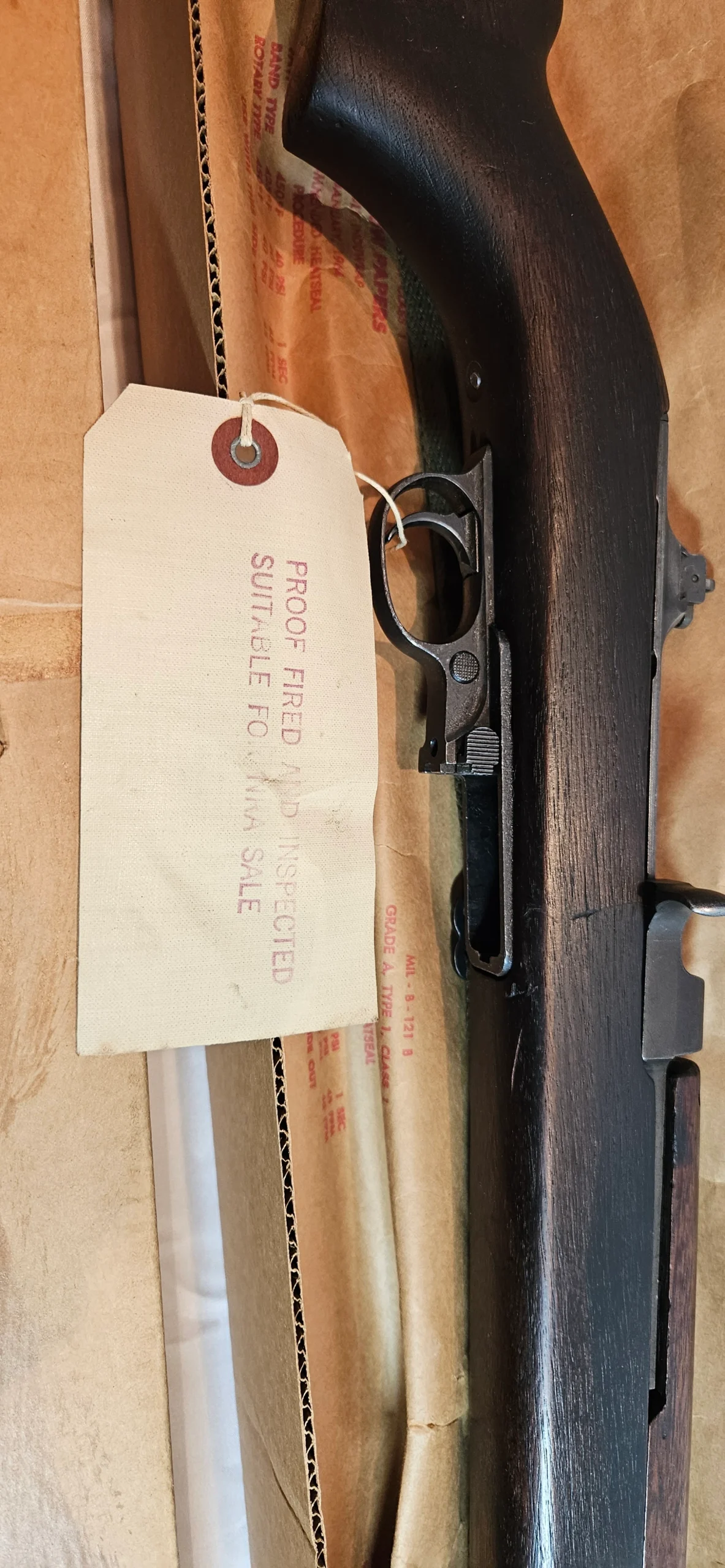
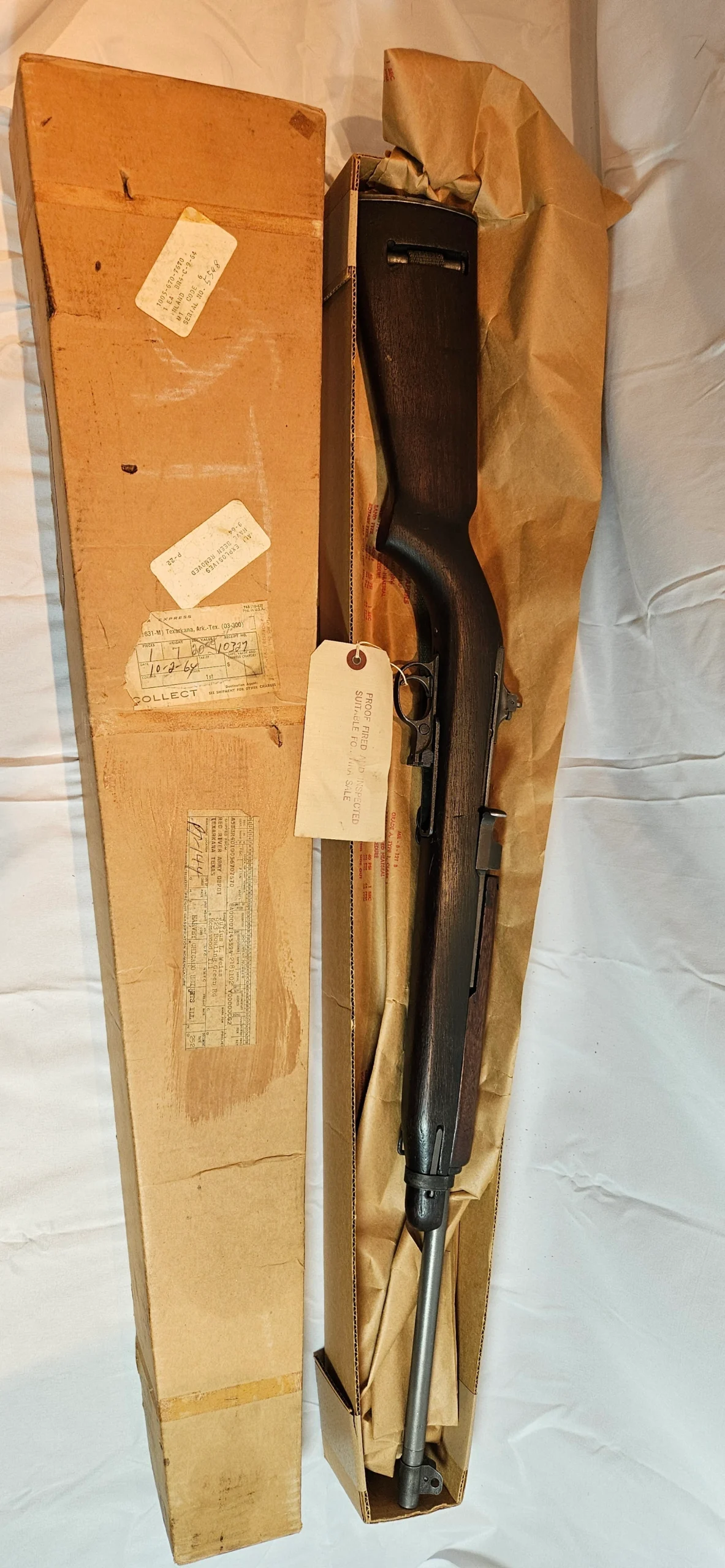
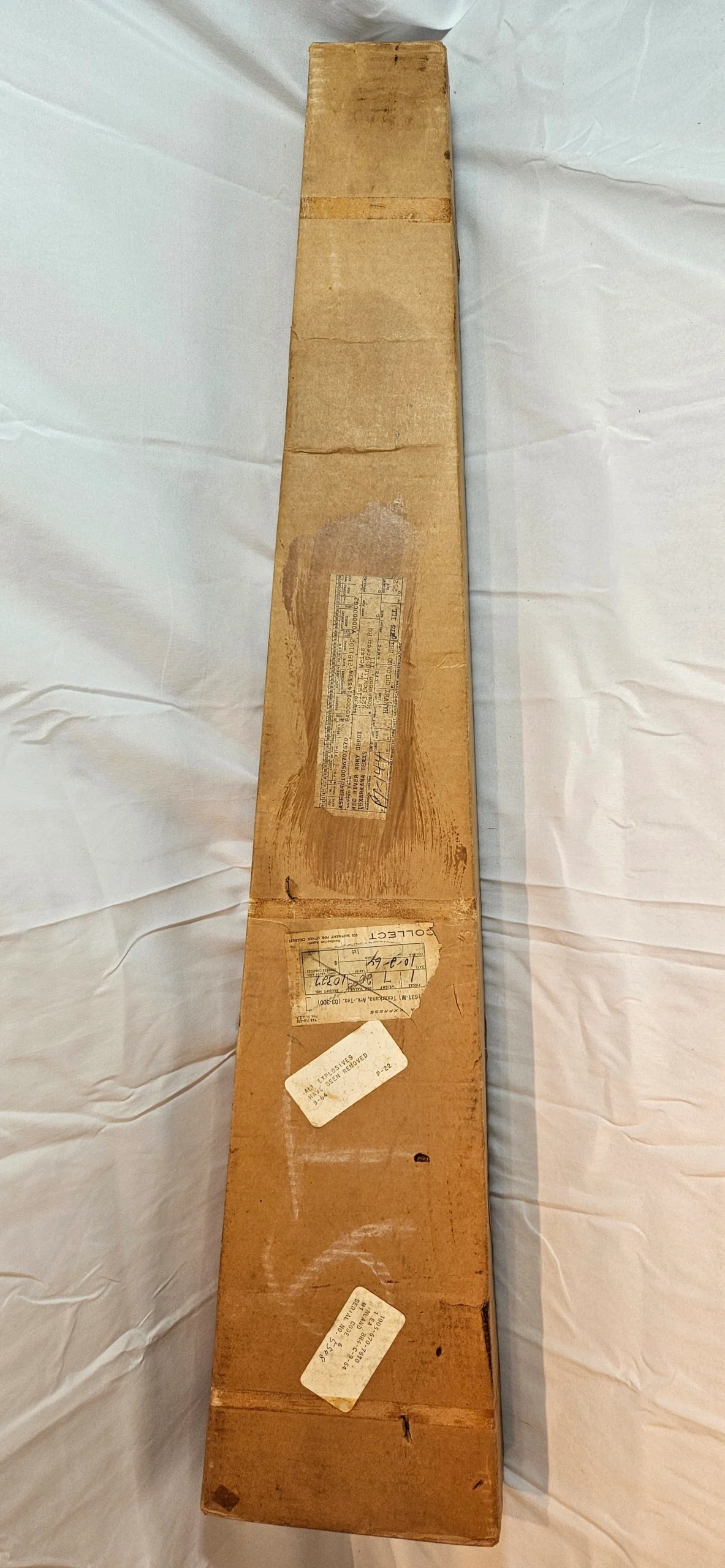
Following the war, the carbine’s story continued. Through programs such as the Civilian Marksmanship Program (formerly the DCM), surplus carbines were distributed to civilians across the United States. This accessibility introduced generations of Americans to military surplus collecting and ensured that the M1 Carbine would not fade into obscurity. Instead, it became one of the most attainable—and studied—U.S. military firearms. Its relatively low cost, combined with its historical significance, made it an ideal entry point for new collectors while still offering depth for advanced study.
The platform itself also evolved, further expanding collector interest. Select-fire versions such as the M2 Carbine and specialized variants like the infrared-equipped M3 Carbine represent technological advancements that pushed the boundaries of infantry weapons during and after the war. Additionally, postwar commercial production and arsenal rebuilds created another layer of variation, with differences in parts combinations, upgrades, and refinishing practices. Each of these changes tells a story—not just of the rifle, but of the era in which it was used, modified, and preserved.
You may ask why the collecting portion of this display is of such importance. According to the National Rifle Association National Firearms Museum, there are over 100 dedicated NRA-affiliated collecting clubs across the United States. This widespread participation demonstrates that individuals and organizations alike are deeply invested in the acquisition, study, and preservation of firearms and the history they represent. Collecting is not merely about ownership—it is about stewardship, research, and education.
When you see an M1 Carbine, you are not simply looking at a semi-automatic rifle. You are looking at a tangible piece of American history—one that connects the industrial might of World War II, the soldiers who carried it, and the generations who have preserved it. Its story begins with a company willing to answer the call to support the war effort, but it does not end there. The M1 Carbine helped shape the future of American manufacturing, military doctrine, and collecting culture. Today, it remains one of the most studied and appreciated firearms in the world, a testament to both its practical success and its enduring historical significance.
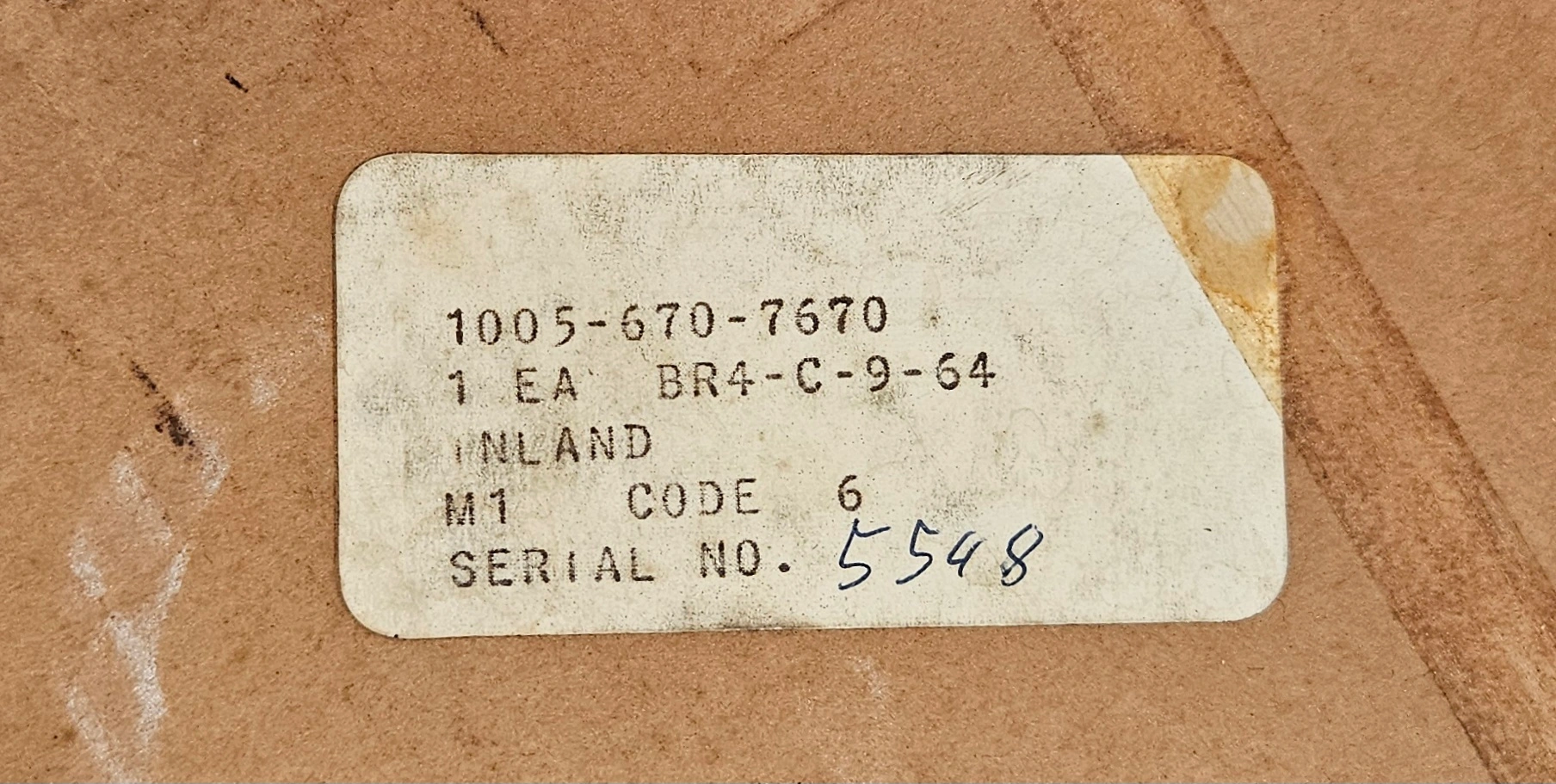
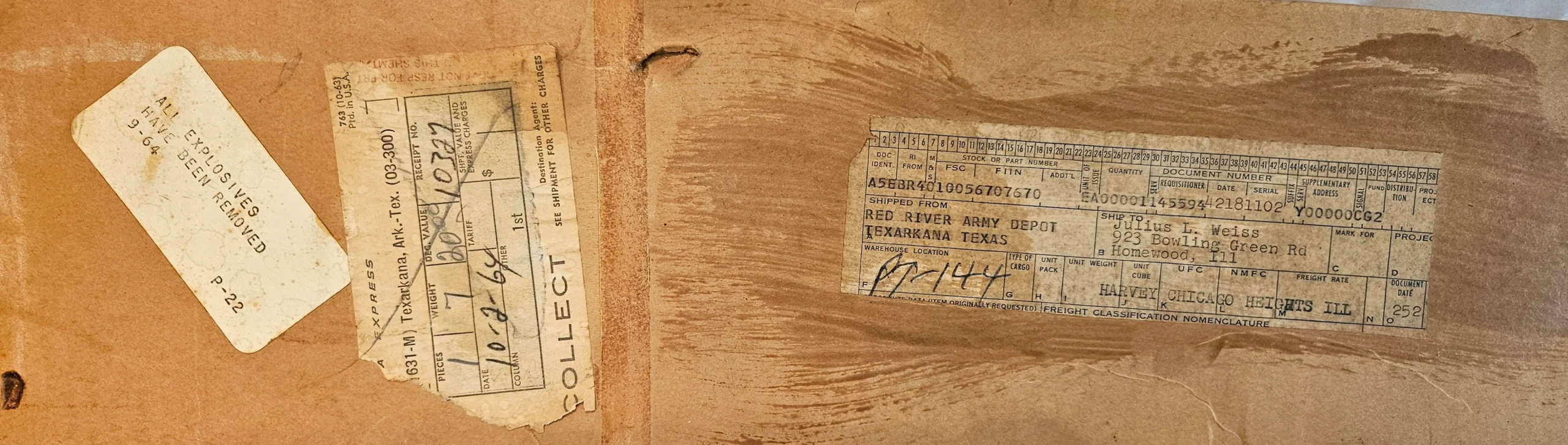
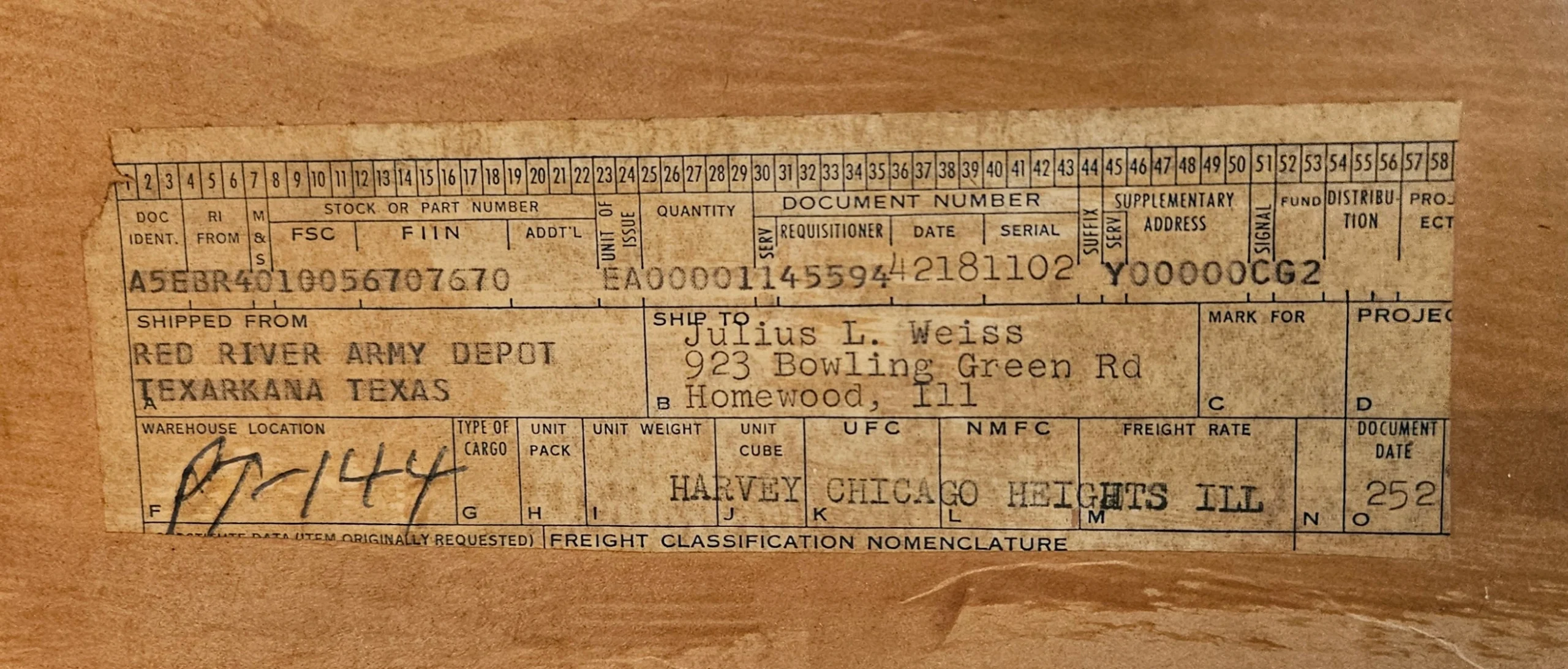
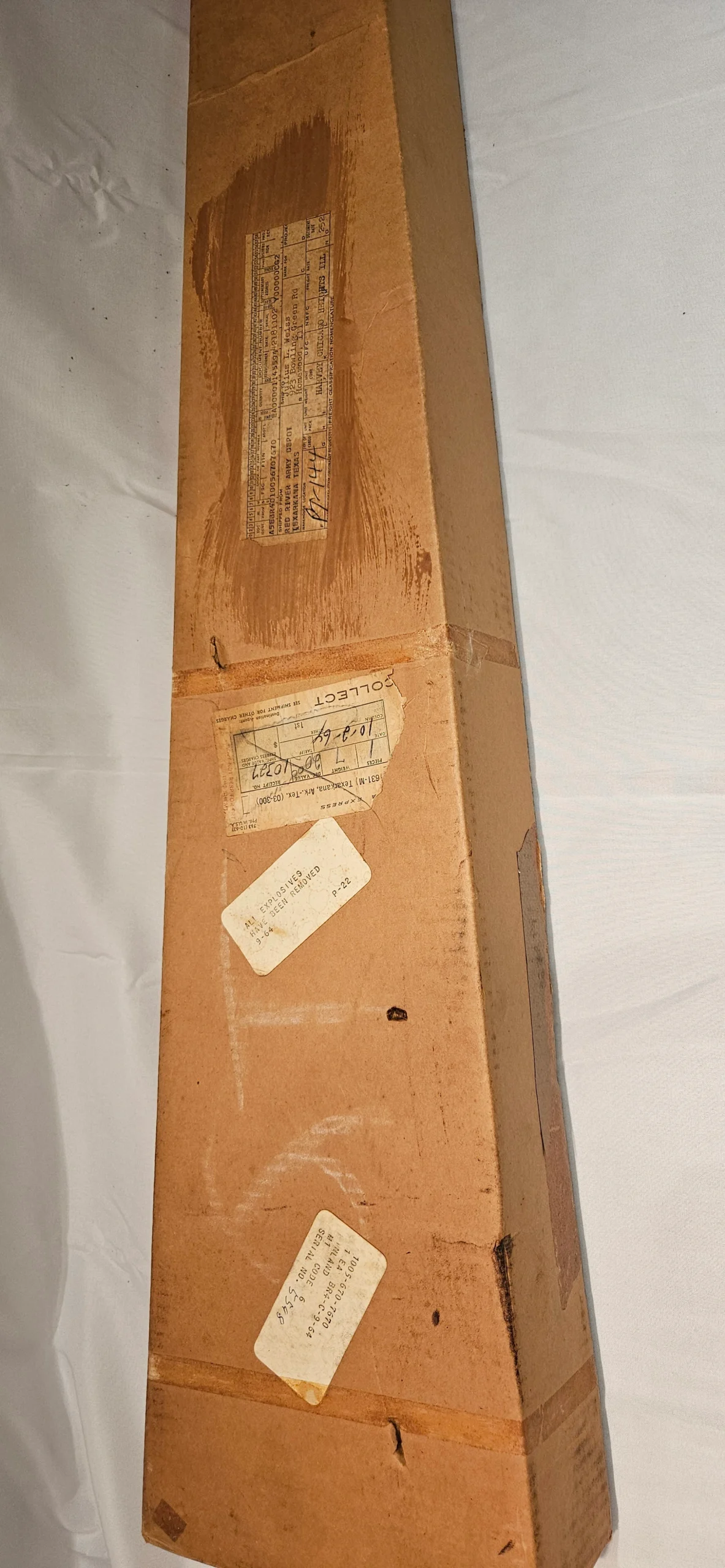
With this story of Inland became one of the major manufactures and influential producers of the M1 carbine it has spawned a large community of collectors like the person that received this great M1 carbine from the DCM/CMP back in 1964 to people like Nate Bowmen that started a company acquiring fine firearms and military accessories. this is just a few examples of how the M1 carbine started young collectors in their long journey of this fine hobby.
If you enjoy this hobby please come to one of our show or email us for more information. I would like to thank Dave Kirkland, Joe Cole, Bill Mittien, Mike and Cindy Majusick, Nate Bowmen from Archival arms, Curtis Petchler, Leonardo M. Antaris M.D., and Tracie Hill for all their contributions. if you Like the paratrooper int this display see https://www.archivalarms.com/ for more like this or custom versions.